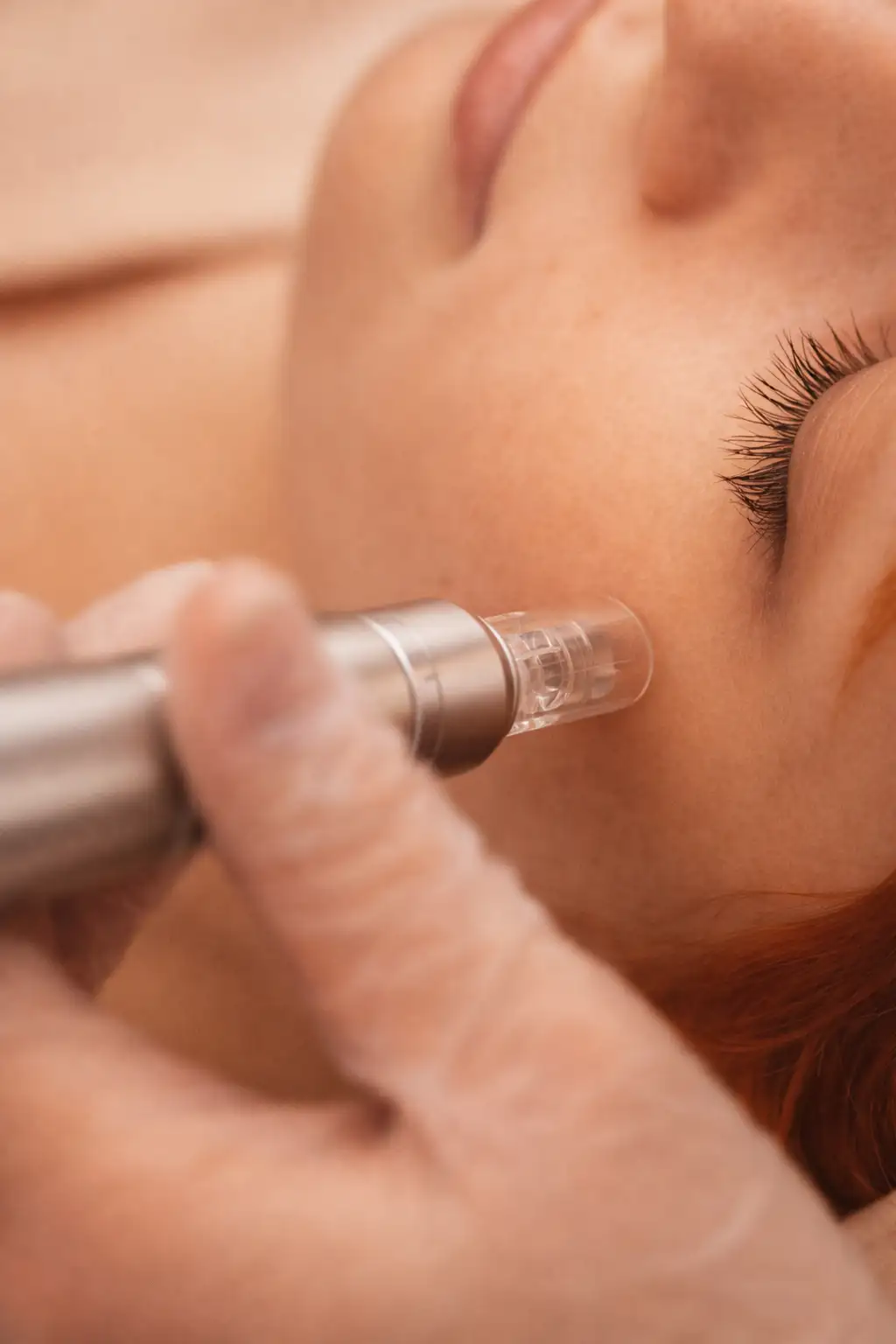
Hair treatments is an umbrella term for medical, cosmetic, and aesthetic interventions aimed at improving hair growth, scalp health, hair strength, or appearance. It can mean very different things depending on context. On the medical side, you�re looking at treatments for hair loss like topical minoxidil, oral medications, PRP (platelet-rich plasma), low-level laser therapy, or surgery like hair transplantation. On the cosmetic side, it includes conditioning, scalp treatments, keratin smoothing, bonding treatments, or hair fibre camouflage. Mechanisms vary: medications alter the hair growth cycle, PRP uses growth factors from your own blood, lasers stimulate follicles with light energy, and cosmetic treatments mainly coat, hydrate, or strengthen the hair shaft rather than changing growth. ([nhs.uk](https://www.nhs.uk/conditions/hair-loss/), [aad.org](https://www.aad.org/public/diseases/hair-loss))
Our dataset currently has 1 clinic(s), with approximately 76 reviews and an average rating of 5.
Medical Infrastructure:
- Alton Community Hospital
- Multiple GP practices under NHS Hampshire and Isle of Wight
- Proximity to private hospitals in Basingstoke, Guildford and Winchester
Local Aethetics Market:
Advanced device-led boutique aesthetic presence
- Get a proper diagnosis. Pattern matters.
- Blood tests may be recommended to rule out deficiencies or thyroid issues.
- Stop harsh hair practices that worsen breakage.
- Ask about timelines. Most treatments take months.
Most hair treatments require ongoing maintenance. Medications are continuous. PRP often involves initial monthly sessions then maintenance every 6�12 months. Cosmetic treatments are repeated as needed.
Most hair treatments are not painful. PRP involves injections and can cause mild discomfort. Hair transplants use local anaesthetic. ([aad.org](https://www.aad.org/public/diseases/hair-loss))
Medications can have systemic side effects and need discussion.Injectables must be done with sterile technique.Surgical options carry standard surgical risks.
NICE does not routinely fund hair loss treatments on the NHS unless medically indicated.
Local regulatory authority:
- Care Quality Commission (CQC) for regulated medical activities in England
- MHRA oversight for aesthetic devices
- GMC/NMC oversight if prescribers involved
Private insurance usage locally:
- Minimal for cosmetic treatments
- Self-funded model dominant
Cosmetic finance availability:
Possible but not typical in single-clinic boutique model
- Clear diagnosis of hair loss type before selling treatments. This matters more than people think.
- GMC-registered doctor involvement for medical or injectable treatments. ([gmc-uk.org](https://www.gmc-uk.org/))
- Transparent discussion of realistic outcomes and timelines.
- Avoid clinics promising guaranteed regrowth.
Current average rating citywide: 5