Top Scarring Providers in aberystwyth

Ffion Evans

Profile
Ffion Evans

Aesthetic Practitioner

Rating
(4 reviews)
Location
Aberystwyth SY23 3LT, United Kingdom
Treatments offered

Magdalena

Profile
Magdalena

Aesthetics Practitioner

Rating
(13 reviews)
Location
Aberystwyth SY23 2AR, United Kingdom
Treatments offered

Chloe Hill

Profile
Chloe Hill

BSc (Hons) Nursing

Rating
(4 reviews)
Location
Aberystwyth SY23 3LT, United Kingdom
Treatments offered

Magdalena Dafforne

Profile
Magdalena Dafforne

Aesthetics Practitioner

Rating
(94 reviews)
Location
Aberystwyth SY23 2AR, United Kingdom
Treatments offered

Scarring Treatment in Aberystwyth

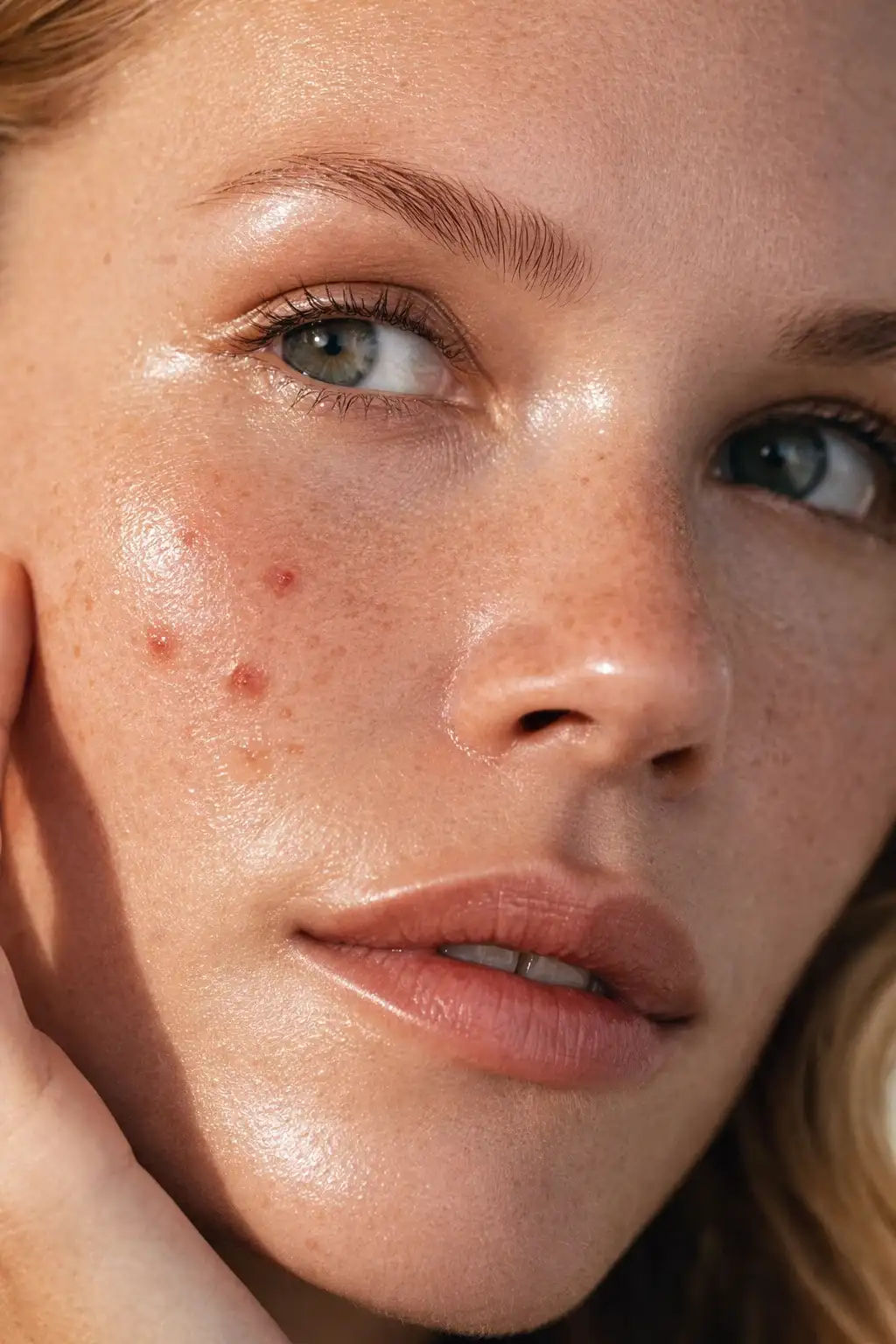
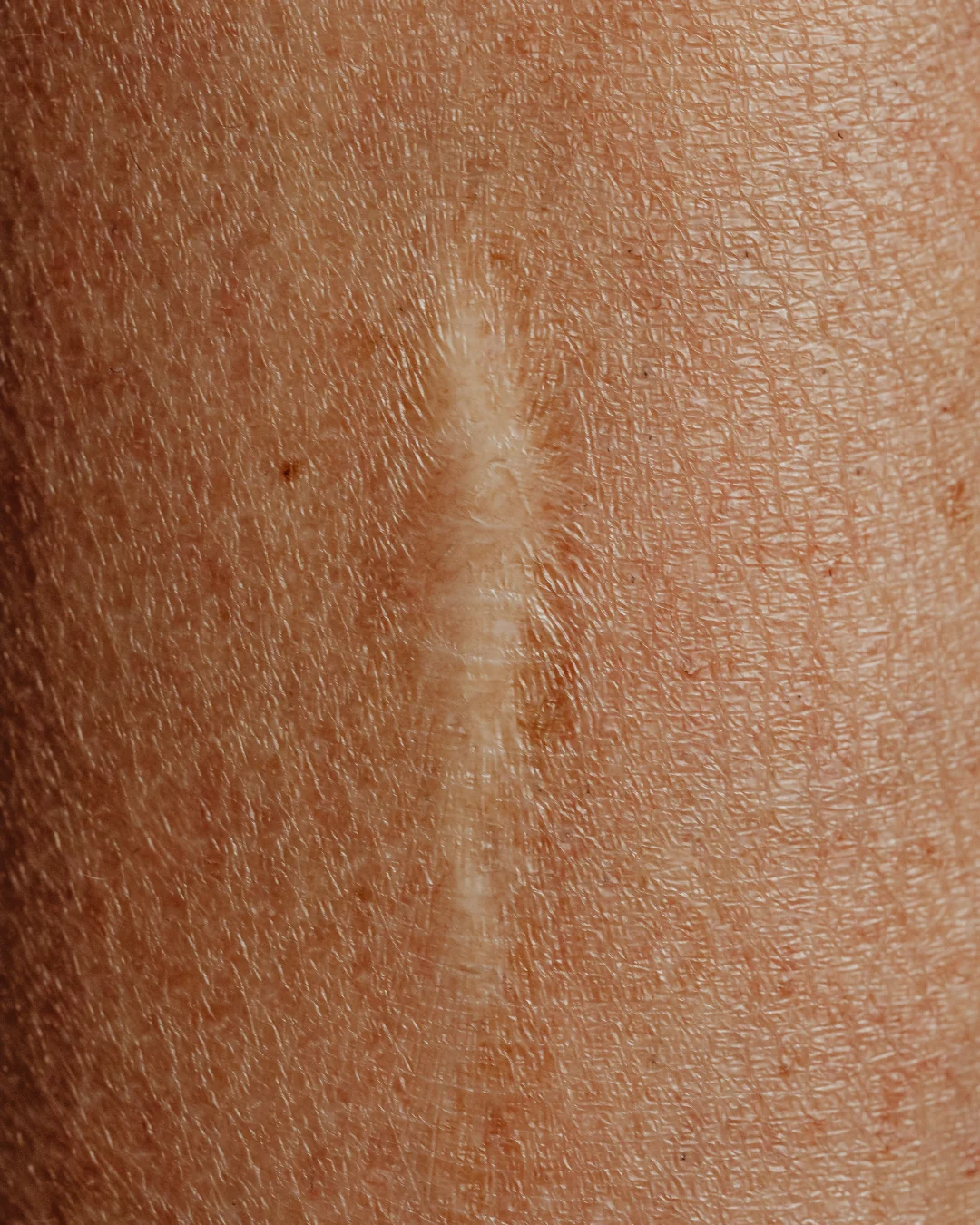
Scarring is what happens when your skin heals after an injury or trauma. When your skin gets damaged, your body rushes in white blood cells to clean up, then produces collagen to patch the area. But the collagen fibres dont lay down in that neat, random basket weave we see in normal skin. Instead they align in one direction, forming fibrous scar tissue. That patch repairs the wound but often looks or feels different from the surrounding skin. Some scars are flat, some raised, some sunken, some red, some white. Its just the way the body heals itself but it leaves a mark.
Our dataset currently has 8 clinic(s), with approximately 351 reviews and an average rating of 4.525.

Medical Infrastructure:

    • Bronglais General Hospital (district general hospital) located in town
    • GP practices under Hywel Dda University Health Board
    • Regional healthcare hub for mid-Wales

Local Aethetics Market:

    Developing-to-mature small urban aesthetic market with diversified service base

Goals of Scarring Treatment

  • In medical or cosmetic scar treatment its about reducing how obvious a scar is
  • Improve colour, texture, thickness or shape of the scar tissue
  • Restore a more normal appearance to the skin surface
  • Sometimes relieve itching, tightness, or movement restriction if the scar affects function
  • Help with psychosocial comfort by making scars less noticeable.

Scarring Treatment Options

Medical & Non-Surgical Approaches

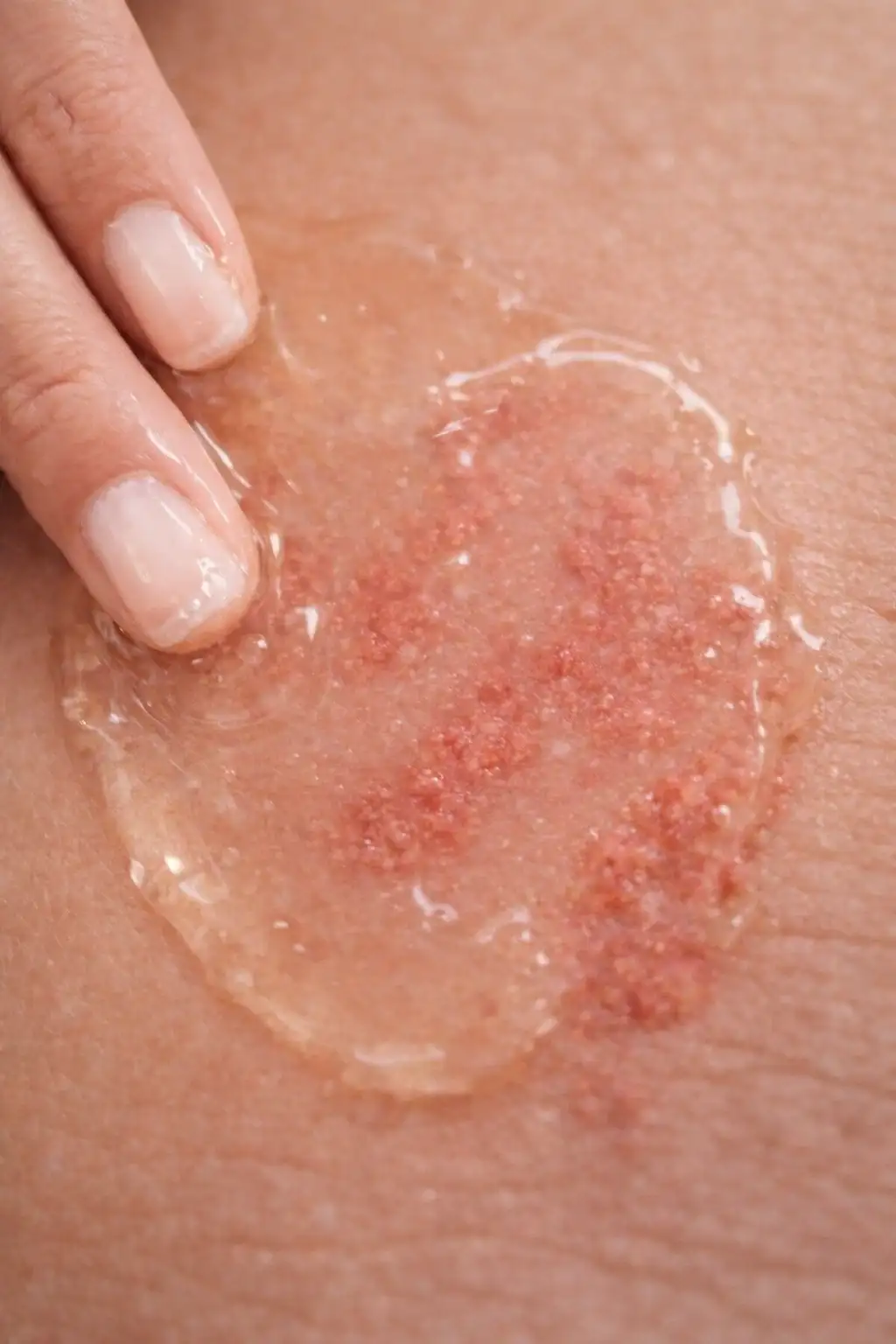
  • Non-invasive options like silicone gel sheeting and dressings are low-risk first steps, often recommended universally for hypertrophic or keloid scars.
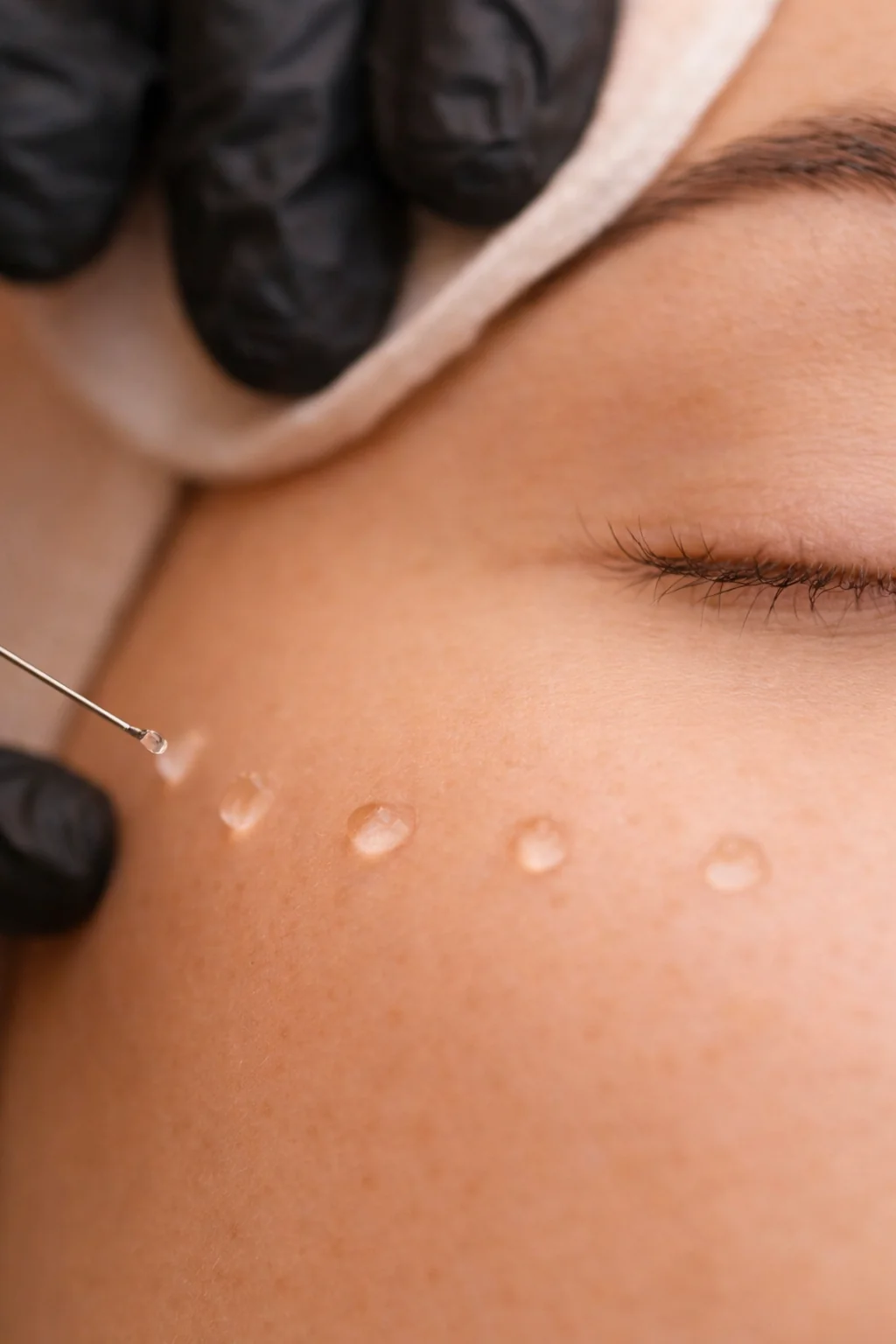
  • Injectables like steroid injections help flatten raised scars but can cause skin thinning in some cases
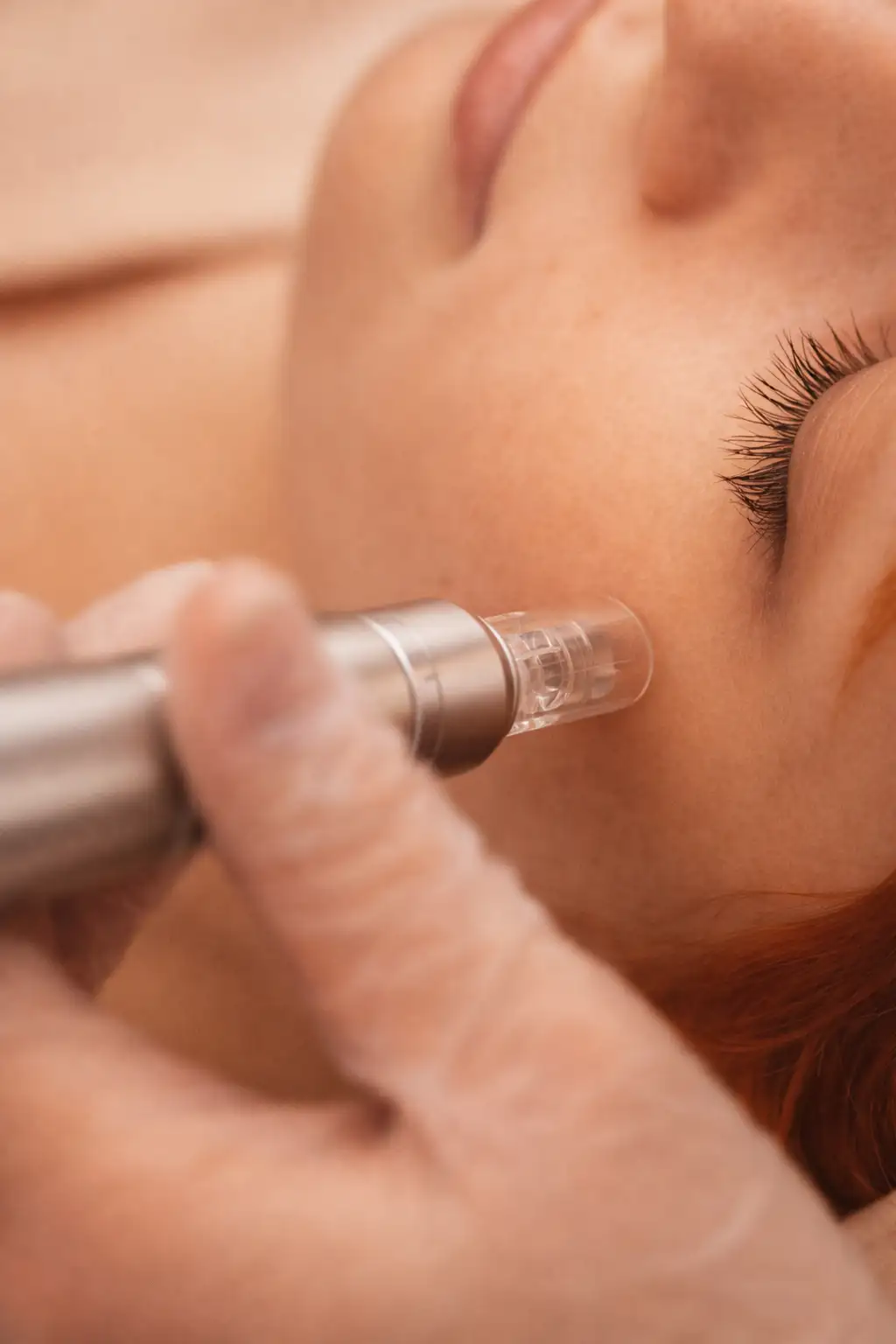
  • Laser and resurfacing treat texture and pigmentation but often need multiple sessions
  • Surgery (scar revision) is more aggressive but is reserved for complex scars and may still leave a smaller, cleaner scar.

Pros of Scarring Treatment

  • Scars are a necessary part of healing so you survive injuries rather than open wounds persisting
  • Many scars fade over time naturally
  • With treatment you can often soften, flatten, and reduce visibility
  • Non-invasive options like silicone gel or dressings have very low risk.

Cons of Scarring Treatment

  • Scars dont completely disappear; treatments reduce but dont erase them
  • Some scars can be itchy, painful, or restrict movement if over joints
  • More aggressive treatments involve cost, downtime, discomfort and variable results
  • Certain scars like keloids may worsen or recur even after treatment.

Cost of Scarring Treatment in Aberystwyth

  • Simple clinic consultation roughly GBP 100-GBP 200
  • Steroid injections around GBP 250-GBP 300 each session
  • Laser sessions GBP 400-GBP 990 per session or more for advanced CO2 lasers
  • Scar revision surgery from around GBP 500 up to GBP 3,500 or more depending on complexity
  • Packages for multiple laser sessions can be thousands (GBP 2,000-GBP 7,500) for moderate-severe acne scarring in London.
  • Severity and type of scar
  • Size and location of treatment area
  • Clinic location (London tends to be higher)
  • Experience and medical credentials of practitioner
  • Technology used (advanced fractional CO2 lasers usually cost more)
  • Number of sessions required.

Accessibility

Public transport:

    • Aberystwyth railway station with connections to Shrewsbury
    • Local bus network
    • Compact walkable town centre

Parking availability:

    • Town centre car parks available
    • Seasonal congestion during tourist months

Clinic distribution:

    Clinics clustered within town centre and near university catchment areas

Airport proximity:

    Cardiff Airport approximately 2–2.5 hours by road

Preparing for Your Scarring Appointment

  • Let wounds heal fully before starting treatments
  • Follow clinician advice on skin care and sun protection
  • Avoid tobacco, poor nutrition that may slow healing
  • Discuss medications that affect bleeding or healing before surgical options
Many treatments (like laser or injections) may need multiple sessions spaced weeks apart and occasional follow-ups depending on scar response.

Treatment Safety & Local Regulations

Non-invasive options like silicone sheets are painlessInjections and lasers may cause discomfort or mild pain requiring numbingSurgical scar revision carries surgical risks such as infection, bleeding, and recurrenceFollow aftercare instructions closely to minimise risks

Depends on method. Topical and silicone are painless; injections and lasers have varying discomfort; surgery uses anaesthesia but recovery can be sore.

    There are specific NHS clinical policies about timing and indications for scar revision; NICE guidance focuses on surgical site infection but not detailed cosmetic scar guidelines; international evidence-based scar management recommendations exist.

    Local regulatory authority:

      • Healthcare Inspectorate Wales (HIW) for independent healthcare services
      • General Medical Council (GMC) and Nursing and Midwifery Council (NMC) for practitioner oversight

    Private insurance usage locally:

      • Low for cosmetic injectables
      • Limited insured dermatology outside NHS pathways

    Cosmetic finance availability:

      • Limited
      • Most treatments likely self-funded with pay-as-you-go model

    Who Is a Good Candidate?

    • Anyone with scars that bother them cosmetically, cause discomfort or limit movement, once the scar has matured (often around 12-18 months from injury).

    Choosing a Clinic

    • A qualified dermatologist or plastic surgeon with scar management experience
    • Membership in UK professional bodies (British Association of Dermatologists etc)
    • Before/after photos of similar scars theyve treated
    • Clear discussion of realistic outcomes, risks, and costs
    • Good aftercare support and honest consent process
    Current average rating citywide: 4.525

    Recovery & Long-Term Results

    • Silicone gel and dressings have no downtime
    • Laser treatments may cause redness and swelling for days to weeks
    • Surgery may need days to weeks off normal activity
    • Injections might leave temporary bruising and tenderness
    • Redness, swelling, pigment changes, discomfort, scab or blister formation, infection (rare with good care)
    Aftercare:
    • Non-invasive options like silicone gel sheeting and dressings are low-risk first steps, often recommended universally for hypertrophic or keloid scars.
    • Injectables like steroid injections help flatten raised scars but can cause skin thinning in some cases
    • Laser and resurfacing treat texture and pigmentation but often need multiple sessions
    • Surgery (scar revision) is more aggressive but is reserved for complex scars and may still leave a smaller, cleaner scar.