Skin Texture and Tightening
Skin Texture and Tightening Treatment
Skin Texture and Tightening Treatment Statistics and Key Information
- Patient Satisfaction Rate
- 95%
- Average Treatment Cost
- See provider pricing
- Number of Reviews
- 94966
- Treatment Downtime Duration
- Varies by treatment
- Number of Available Practitioners
- 1797
Overview
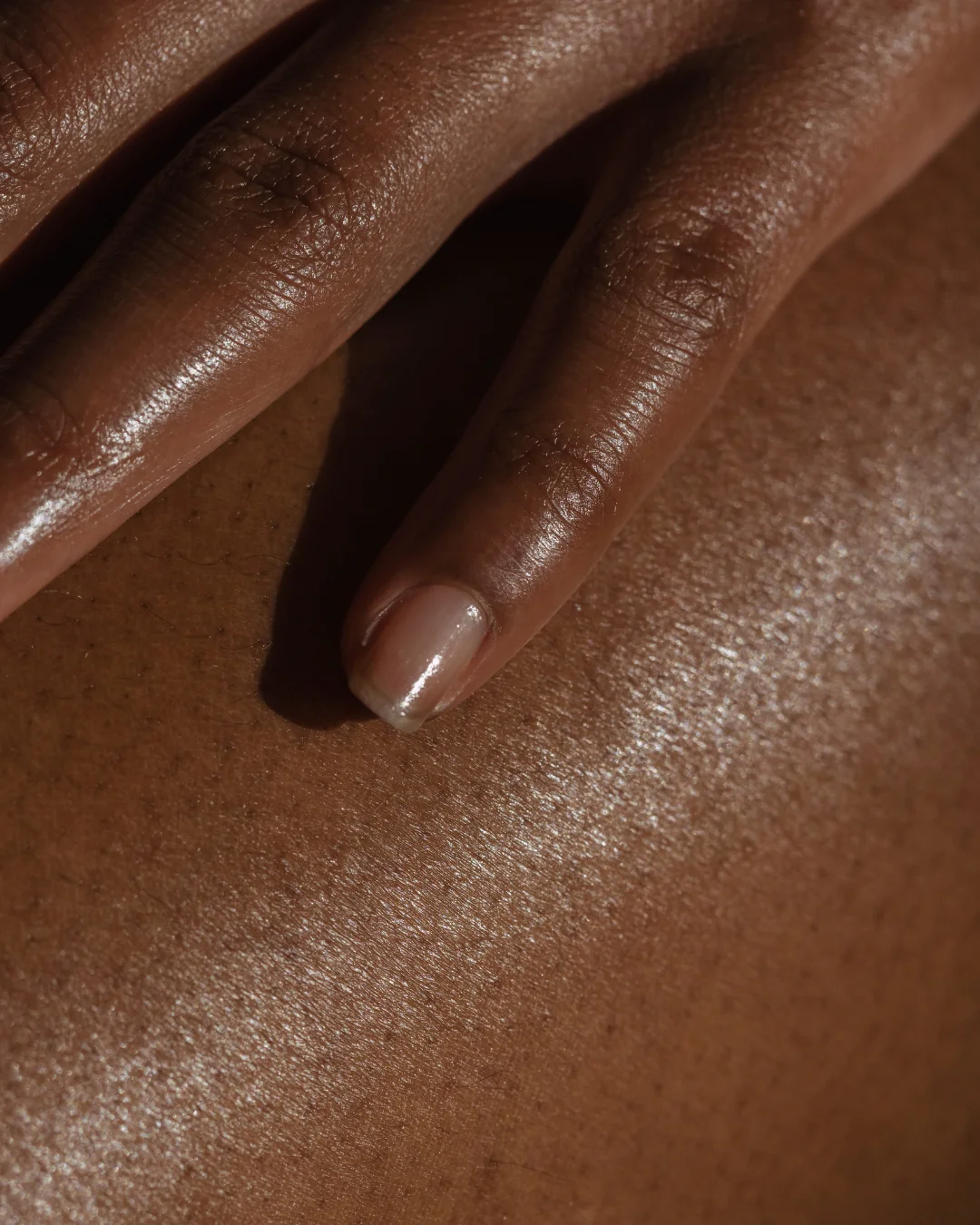
Skin texture and tightening refers to a range of cosmetic procedures aimed at making your skin look and feel smoother, firmer, and more ‘youthful’. As we age, collagen and elastin in our skin naturally decline, which is part of why skin gets crepey, saggy, or uneven in texture. Treatments use energy (like radiofrequency, ultrasound, lasers or microneedles) to gently heat or stimulate the deeper layers of skin, which encourages your body to produce more collagen and elastin. Over time that new collagen can make skin look tighter and improve the overall surface texture.
Goals of Skin Texture and Tightening treatment
- Improve the firmness of sagging or loose skin
- Smooth rough or uneven skin texture
- Reduce the appearance of fine lines and mild wrinkles
- Stimulate natural collagen and elastin for long-term tissue support
- Give a more rejuvenated, refreshed appearance
Treatment Options
- Surgical lifts (like facelift or neck lift) give more dramatic tightening but they have downtime, anaesthesia and surgical risk.
- Non-surgical tightening (RF, HIFU, laser, microneedling) aims for modest lift and texture improvement with minimal downtime.
- Injectable approaches like Profhilo or polynucleotides can improve skin quality (texture/hydration) but don’t tighten as much on their own.
- Topical skincare (retinoids, peptides) helps slow ageing and improve texture but doesn’t replace deeper energy-based stimulation.
Pros
Cons
Candidate & Preparation
Who is a Good Candidate
How to Prepare for Appointment
- Avoid heavy sun exposure and tanning before treatment
- Ask about products or medications that make your skin more sensitive
- Have a conversation about recent treatments, scars or conditions in the area
- Plan sessions spaced according to your provider’s recommendation
Appointments & Safety
What Happens During Appointment
- Consultation and assessment of your skin and goals.
- Cleaning the treatment area.
- Application of chosen energy device (RF, ultrasound, laser or combination) which you’ll feel as warmth.
- Session usually takes 30-90 minutes depending on area size and tech.
Cost & Access
Typical Prices
- Laser skin tightening: from around GBP 79-GBP 340 per session depending on promotion and area of skin treated.
- Mid-range aesthetic clinic packages often quote GBP 500-GBP 3,500 depending on technology and sessions needed.
- Specific treatments like HIFU might be around GBP 199 per session (with packages available).
- Radiofrequency microneedling and similar tech at some clinics can be GBP 500+ per session.
Why Prices Vary
- Type of technology used (ultrasound, RF, laser, microneedling etc)
- Area being treated (face often cheaper than full neck/ body)
- Number of sessions recommended
- Clinic location and reputation
- Practitioner qualifications and aftercare included
What to Look for When Choosing a Doctor or Clinic
- Someone medically trained with experience in energy-based treatments (radiofrequency, laser etc)
- Before/after photos relevant to your concerns
- Transparent discussion of expected results and number of sessions
- Clear breakdown of costs, risks and aftercare expectations
- Clinic regulation or registration with the Care Quality Commission in England (or equivalent)
Results & Maintenance
How Long Results Last
- Results are not permanent because ageing continues, but they can last many months (12-24 months or more depending on the treatment and your biology).
- Maintenance sessions are often recommended to prolong effects.
Maintenance Requirements
Yes. Most practitioners suggest a series (often 3-6 sessions spaced weeks apart), then occasional top-ups every year or so to sustain results.
Regulation & Guidelines
What to Do If Something Goes Wrong
Regulation
Devices used should be approved for use (e.g., by MHRA in the UK). Clinics offering medical aesthetic treatments should be properly registered (e.g., Care Quality Commission in England). Choose well-qualified practitioners.
Complaints
Contact your practitioner promptly, document reactions/photos, and escalate through clinic complaints procedures or relevant healthcare regulators if needed.