
Lymphatic Drainage
Lymphatic Drainage Treatment
Lymphatic Drainage Treatment Statistics and Key Information
- Patient Satisfaction Rate
- 95%
- Average Treatment Cost
- See provider pricing
- Number of Reviews
- 9947
- Treatment Downtime Duration
- Varies by treatment
- Number of Available Practitioners
- 235
Overview
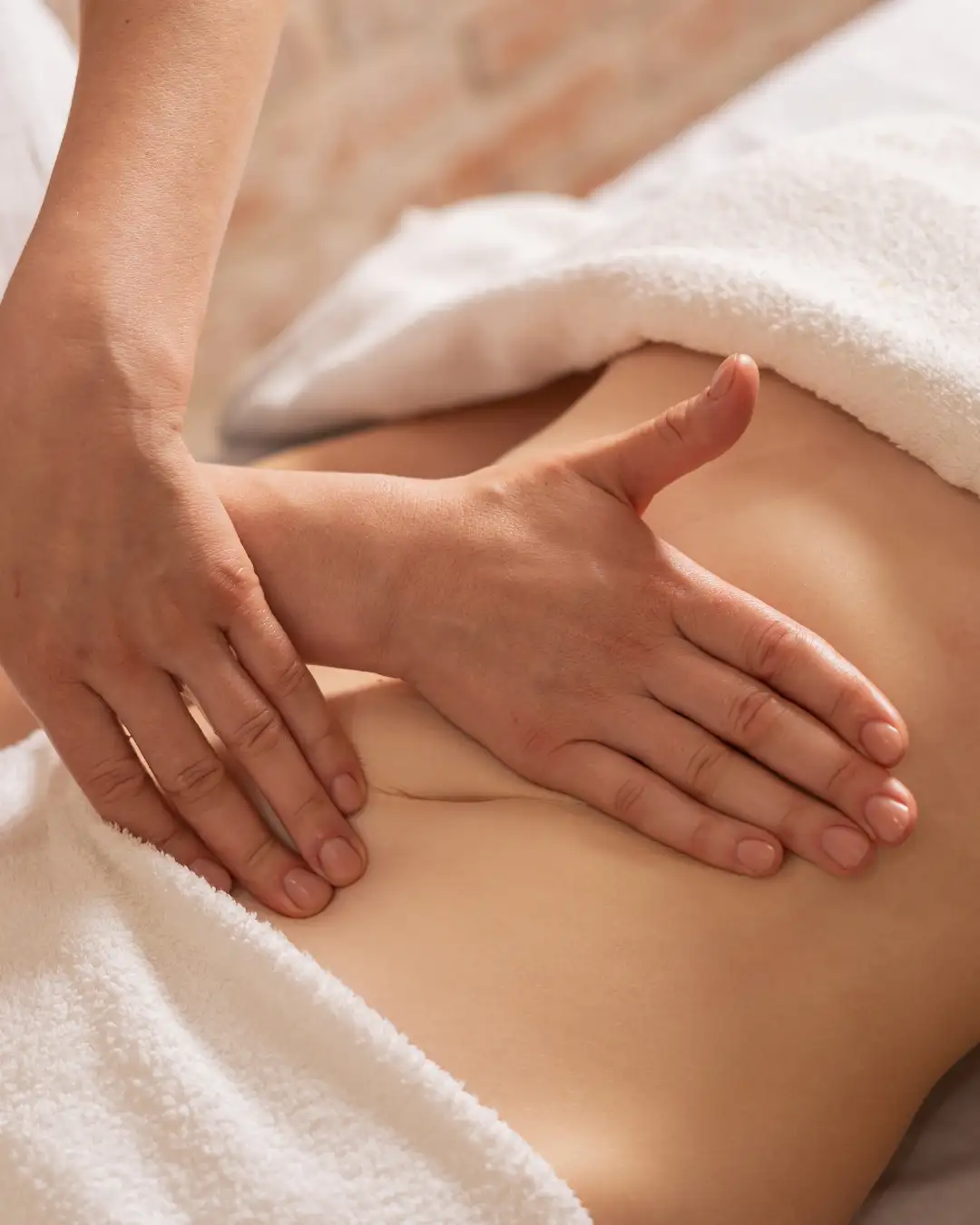
Lymphatic drainage (often called manual lymphatic drainage or MLD) is a very light, specialised massage-style therapy that gently stimulates the lymphatic system. The idea is to help lymph fluid (which carries waste, excess fluid, and immune cells) move along lymph vessels toward lymph nodes and then back into the bloodstream. Unlike deep tissue or sports massage, MLD uses slow, rhythmic, skin-stretching movements with very light pressure to boost flow and reduce fluid buildup. It’s not about pressing into muscles; it’s more like nudging a river along.
Goals of Lymphatic Drainage treatment
- Reduce swelling and fluid retention when lymph isn’t draining properly (eg lymphedema after surgery).
- Support the body’s natural detox and waste removal by encouraging lymph movement.
- Improve circulation and potentially ease discomfort from fluid build-up.
- Relaxation and stress reduction (many people find the gentle touch soothing).
- In cosmetic contexts, reduce puffiness or help recovery after procedures.
Treatment Options
- Regular deep tissue or Swedish massage focuses on muscles and tension, not lymph flow, so they feel stronger and work differently.
- Self-massage and home techniques can help a bit, but they’re gentler and lack the precision of a trained therapist.
- Decongestive lymphatic therapy (DLT) uses MLD plus compression, exercise, and skin care and is the standard for clinical lymphedema.
- Alternative tools (like dry brushing or rebound exercises) might support lymph flow to some extent, but evidence and depth vary.
Pros
- Can help reduce swelling from lymph fluid buildup.
- Supports circulation and may ease discomfort in affected limbs.
- Often feels soothing and relaxing rather than intense.
- May support immune function through better lymph movement.
- Useful in post-surgical recovery and lymphedema management as part of a broader therapy plan.
Cons
- Not a cure for underlying lymphatic disorders like lymphedema; often part of a longer treatment program.
- Benefits can be subtle for people without fluid buildup.
- Need to avoid it if you have certain medical issues (eg blood clots, infection, heart or kidney problems) without clear medical guidance.
- Practitioner skill varies widely and outcomes depend on that skill. (See qualifications below.)
Candidate & Preparation
Who is a Good Candidate
- People with diagnosed lymphedema or swelling due to lymph buildup.
- Individuals recovering from surgery or injury where fluid retention is an issue.
- People seeking immune support or reduced puffiness / mild fluid retention (wellness context).
- Athletes or others who feel heavy fluid retention after intense activity.
- Not appropriate for those with active infections, blood clots, severe heart or kidney conditions unless cleared by a doctor.
Appointments & Safety
What Happens During Appointment
You lie on a table and the therapist uses gentle, rhythmic movements over key lymph pathways (neck, armpits, groin) directing flow toward drainage points over 45–90 minutes depending on the clinic and focus. Many people feel calm and light afterward.
Pain Level
It usually shouldn’t be painful at all. The pressure is very light and many people find it relaxing; discomfort could mean the therapist is using too much force or not tailoring it to you.
Safety Considerations
- Avoid it if you have blood clots, infection, fever, or certain cardiac or renal conditions unless advised by a doctor.
- Ask about contraindications and get medical clearance if you’re unsure.
Cost & Access
Typical Prices
Simple clinic or spa sessions can start around GBP 60 to 85 for a 45–60 minute session in many parts of the UK. Some places (especially high-end spas in central London) charge much more, sometimes up to GBP 130 to 150 for a 60-minute session, and a package of multiple sessions might be GBP 300 to 500.
Why Prices Vary
- Location (central London vs outer suburbs or smaller towns) affects rent and staffing costs.
- Experience and specialised certifications of the therapist: more training and reputation often mean higher fees.
- Clinic type (medical clinic vs wellness spa) and additional amenities (private rooms, integrated care) change pricing.
- Length and focus of the session (whole-body vs targeted, post-surgical care) can alter costs.
Results & Maintenance
How Long Results Last
Effects can feel immediate (less puffiness, lighter feeling) but are often temporary unless the underlying cause is addressed. For chronic conditions like lymphedema, ongoing sessions or broader therapy (DLT) are usually needed to maintain benefits.
Maintenance Requirements
- For wellness or general fluid retention, many people try every few weeks.
- For post-surgery or medical goals, frequent initial sessions (eg 2–3 per week) may taper to monthly maintenance.
- Chronic conditions often require ongoing care as part of a broader plan.
Regulation & Guidelines
Guidelines
There aren’t specific NICE or MHRA rules for lymphatic drainage massage itself, since it’s not a drug or device. UK health guidance tends to position it as part of broader therapies for lymphedema, and professional bodies set voluntary best practice standards.
What to Do If Something Goes Wrong
Regulation
There’s no single government licence for lymphatic drainage massage, but voluntary registers (like MLD UK) set training and conduct standards; practitioners often have related professional insurance.
Complaints
If you have a bad experience, raise it with the clinic first and check if they’re on a recognised register; for broader therapy issues with regulated professionals (eg physiotherapists), you can also contact their statutory regulator.


