Hyperhidrosis
Hyperhidrosis Treatment
Hyperhidrosis Treatment Statistics and Key Information
- Patient Satisfaction Rate
- 95%
- Average Treatment Cost
- See provider pricing
- Number of Reviews
- 32607
- Treatment Downtime Duration
- Varies by treatment
- Number of Available Practitioners
- 698
Overview
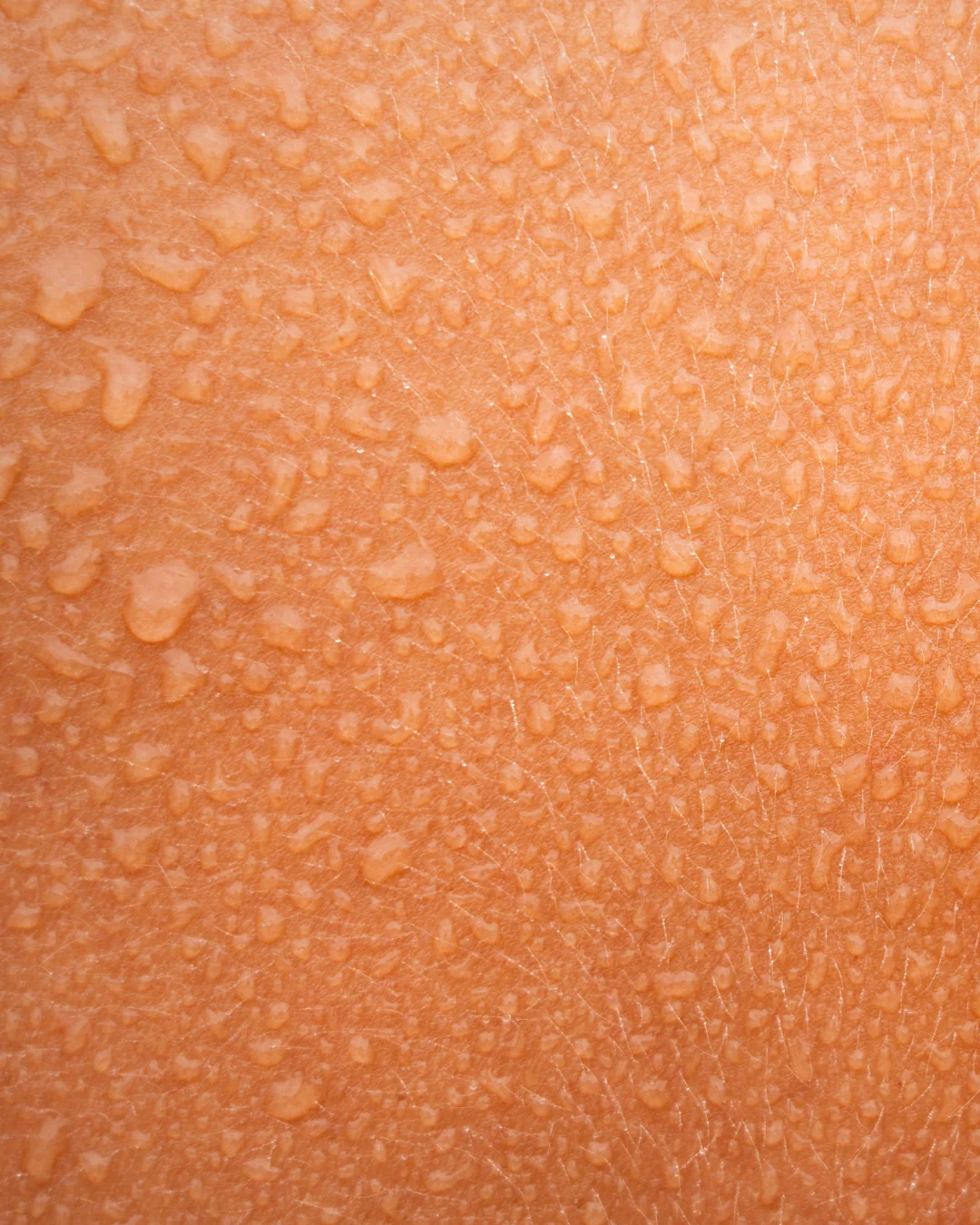
Hyperhidrosis is a medical condition where your sweat glands are basically overachieving. You sweat way more than your body actually needs for temperature control. It can hit the underarms, palms, soles, face, scalp, sometimes everywhere. The wiring between nerves and sweat glands is too active. In primary hyperhidrosis, there’s no underlying disease, it’s usually genetic and starts young. In secondary hyperhidrosis, sweating is driven by something else like hormones, medications, infections, or anxiety disorders. Treatments work by blocking sweat glands, interrupting nerve signals, or calming the system that’s misfiring. (NHS, British Association of Dermatologists)
Goals of Hyperhidrosis treatment
- Reduce excessive sweating to a manageable, predictable level.
- Improve daily comfort, confidence, and social functioning.
- Prevent skin infections, rashes, and maceration from constant moisture.
- Help people stop planning their life around sweat. That part’s huge.
Treatment Options
Pros
- Many effective non-surgical options exist.
- Treatments like botulinum toxin have strong evidence for severe cases.
- Results can be life-changing for work, relationships, and mental health.
- Most treatments are outpatient with minimal downtime.
Cons
- Not curable, management is ongoing.
- Some treatments wear off and need repeating.
- Side effects can include dry skin or temporary muscle weakness.
- Advanced treatments can be costly if not NHS-funded.
Candidate & Preparation
Who is a Good Candidate
- People sweating excessively without obvious triggers.
- Those whose sweating interferes with work, sleep, or social life.
- People who haven’t responded to standard antiperspirants.
- Both teens and adults depending on severity.
Appointments & Safety
Pain Considerations
Most treatments are well tolerated. Botulinum toxin injections can sting, especially on palms or soles, but numbing options exist.
Safety Considerations
- Botulinum toxin is considered safe when used by trained clinicians.
- Temporary weakness can occur in hands after palm injections.
- Oral medications may cause dry mouth or blurred vision.
Cost & Access
Typical Prices
On the NHS, hyperhidrosis treatment may be free if criteria are met. Privately, costs vary widely. Prescription antiperspirants are low cost. Iontophoresis devices may cost GBP 300 to 600. Botulinum toxin for underarms typically ranges from GBP 350 to 700 per session, sometimes more for hands or feet.
Why Prices Vary
- NHS versus private care.
- Body area treated and surface size.
- Type of treatment used.
- Clinician experience and follow-up included.
Results & Maintenance
How Long Results Last
Results depend on treatment. Antiperspirants work only while used. Botulinum toxin typically lasts 4–6 months. Iontophoresis requires ongoing sessions. Symptoms usually return when treatment stops.
Maintenance Requirements
Yes, most treatments need maintenance. Botulinum toxin is usually repeated every 4–6 months. Iontophoresis may be weekly then monthly. There’s no one-size schedule.
Regulation & Guidelines
NICE Guidelines
NICE supports a stepped approach for managing hyperhidrosis and referral for severe cases.
FDA Guidelines
Botulinum toxin is FDA-approved for severe primary axillary hyperhidrosis in the US.
MHRA Guidelines
In the UK, hyperhidrosis medications and injectables are regulated by the MHRA, with safety monitoring via the Yellow Card Scheme.