HIFU
HIFU Treatment
HIFU Treatment Statistics and Key Information
- Patient Satisfaction Rate
- 95%
- Average Treatment Cost
- See provider pricing
- Number of Reviews
- 34017
- Treatment Downtime Duration
- Varies by treatment
- Number of Available Practitioners
- 566
Overview
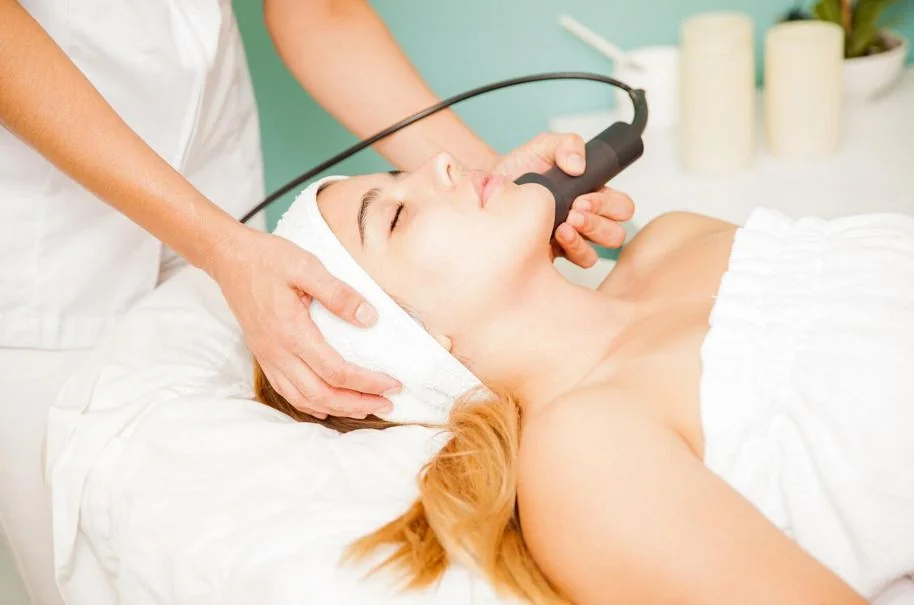
HIFU stands for High-Intensity Focused Ultrasound. In cosmetic/skin contexts it’s a non-surgical, non-invasive procedure that uses focused ultrasound energy to heat precise layers under the skin’s surface. That heat triggers your body’s natural healing response, especially collagen and elastin production, which can make skin firmer, tighter and smoother over time. It targets deeper layers without cutting the skin.
Goals of HIFU treatment
- Lift and tighten sagging skin on face, neck or body.
- Stimulate natural collagen production to improve elasticity.
- Reduce fine lines and wrinkles gradually.
- Contour areas like jawline, cheeks, brow or even body regions.
Treatment Options
Pros
- Non-surgical and doesn’t require incisions or needles.
- Minimal or no downtime; you can often resume normal life right after.
- Stimulates your natural collagen for gradual, natural-looking change.
- Less expensive and risky than surgical facelifts.
Cons
- Results are much subtler than surgery and vary by person’s biology.
- Can take weeks to months to see full effect.
- May need repeat sessions for best outcome.
- Temporary redness, swelling or tenderness might happen afterward.
Candidate & Preparation
Who is a Good Candidate
- People with mild to moderate skin laxity, not severe sagging.
- Those wanting subtle, natural improvements without surgery.
- People in generally good health with realistic expectations.
- Not ideal for very loose, severely aged skin where surgery may be better.
Appointments & Safety
Pain Considerations
Many people report HIFU as tolerable with mild tingling or heat sensation. Specialized clinics often use topical numbing to help.
Safety Considerations
- When performed by trained professionals it’s considered low-risk.
- Temporary redness, swelling or sensitivity is possible.
- Incorrect settings might cause discomfort or unintended tissue heating, so skill matters.
Cost & Access
Typical Prices
In the UK, HIFU cosmetic sessions typically range around GBP 500 to GBP 2,000 per session depending on the area treated, clinic, and technology.
Why Prices Vary
- Depth and area of treatment (face only vs face+neck).
- Clinic reputation and specialist experience.
- Equipment brand (some use high-end Ultherapy devices).
- Included consultation, aftercare and package deals.
Results & Maintenance
How Long Results Last
Results develop over weeks as new collagen forms. Many people report visible improvements around 2–3 months, and effects can last up to about 12–18 months depending on biology, lifestyle and ageing.
Maintenance Requirements
Some people choose repeat HIFU sessions every 12–18 months to maintain effects as ageing continues, though there’s no single mandated schedule.
Regulation & Guidelines
NICE Guidelines
There’s no specific NICE guideline focused solely on cosmetic HIFU for skin tightening, though broader safety and consenting standards apply.
FDA Guidelines
In the US, certain HIFU devices (like Ultherapy) have FDA clearance for skin tightening, reflecting a basic safety/efficacy review.
MHRA Guidelines
In the UK, devices and ultrasound technology must comply with MHRA medical device regulations and adverse events can be reported.
What to Do If Something Goes Wrong
- HIFU devices in the UK must meet medical device regulations and safety standards.
- Practitioners performing cosmetic procedures should adhere to Care Quality Commission (CQC) expectations for safety and consent.
- If you have a bad reaction or harm, you can report to the MHRA and pursue complaints through clinic governance or local regulators.