Facial Treatments
Facial Treatments Treatment
Facial Treatments Treatment Statistics and Key Information
- Patient Satisfaction Rate
- 95%
- Average Treatment Cost
- See provider pricing
- Number of Reviews
- 188718
- Treatment Downtime Duration
- Varies by treatment
- Number of Available Practitioners
- 4635
Overview
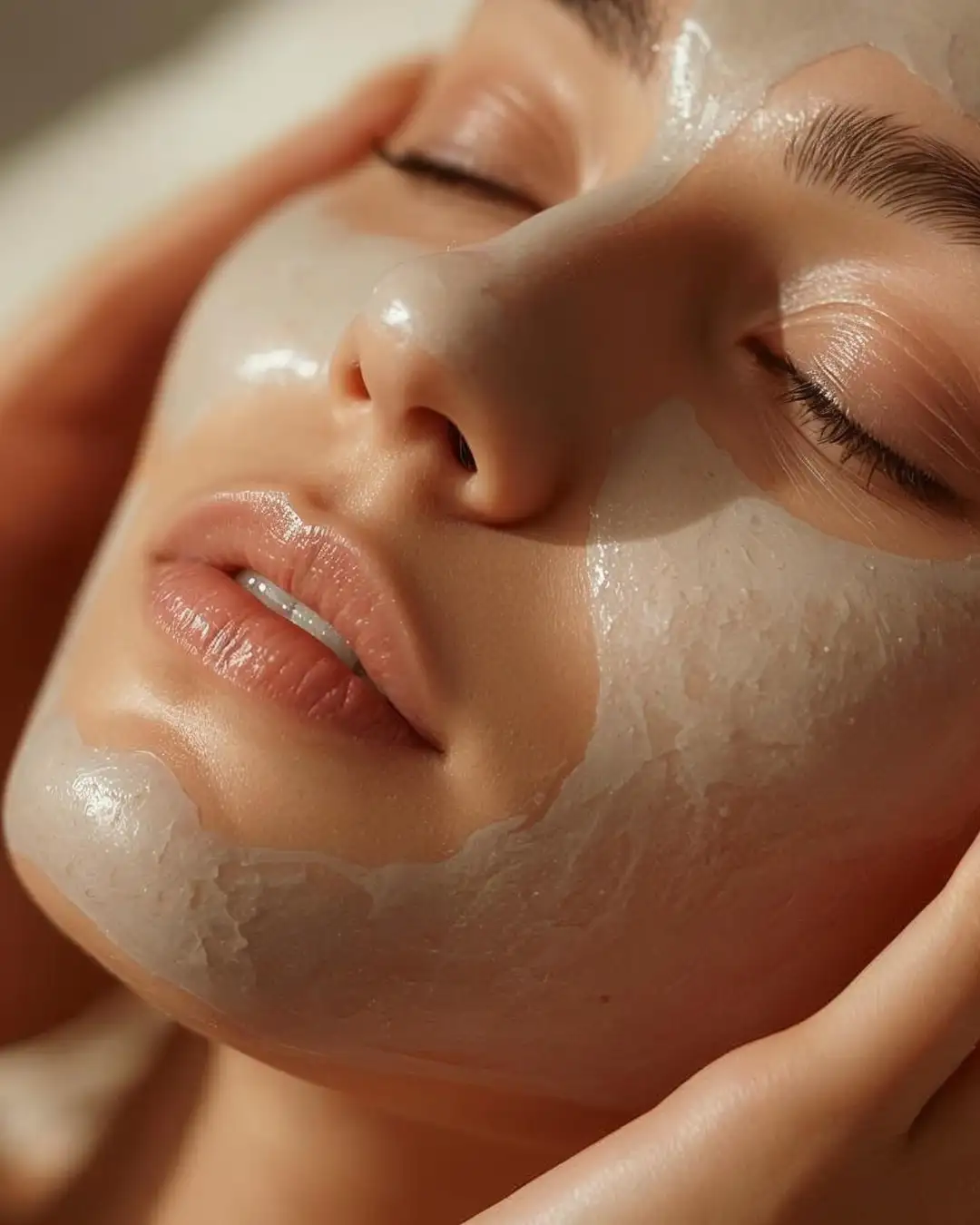
Facial treatments are a broad category of cosmetic and skincare procedures designed to cleanse, exfoliate, hydrate, rejuvenate, or target specific skin concerns on the face. They range from basic salon facials (cleansing, exfoliation, mask, massage) to advanced technical ones like microdermabrasion, superficial chemical peels, LED light therapy or microneedling. The way they work depends on the method: cleansing and exfoliation remove dead skin, hydration restores moisture, peels use acids to shed surface layers, LED or light targets cellular processes, and deeper interventions stimulate collagen. They’re not all medical procedures, but many share the goal of improving skin health and appearance.
Goals of Facial Treatments treatment
- Improve the look and feel of your skin surface (smoother, brighter).
- Address specific issues like dullness, dryness, congestion or minor texture irregularities.
- Stimulate circulation and lymphatic drainage for a refreshed appearance.
- Support overall skin health, potentially helping products work better afterward.
Treatment Options
Pros
- Immediate visible effects for many people (glow, softness).
- Can be relaxing and part of a regular self-care routine.
- Customisable: basic facials for maintenance, advanced ones for concerns.
- Often non-invasive with minimal recovery if done properly.
Cons
- Results vary a lot by individual and treatment type.
- Temporary effects unless part of an ongoing plan.
- Some advanced facials can irritate sensitive skin if poorly matched to skin type.
- Costs can add up if you go regularly or opt for high-tech versions.
Candidate & Preparation
Who is a Good Candidate
- People looking to maintain skin health and a radiant appearance.
- Individuals with mild concerns like dryness, dullness, mild congestion or uneven tone.
- Those wanting regular skin maintenance as part of a broader skincare plan.
- Not ideal for active severe inflammatory skin disease without medical input.
Appointments & Safety
Pain Considerations
Most basic facial treatments aren’t painful. You might feel tingling or mild discomfort during deeper exfoliations or peels. Providers should adjust intensity to what your skin can tolerate.
Safety Considerations
- Patch testing for peels or stronger products helps prevent reactions.
- Avoid deep peels or aggressive techniques without medical oversight if you have sensitive or compromised skin.
- Ensure tools and machines are clean and wellmaintained.
Cost & Access
Typical Prices
Basic facial treatments in the UK often start around GBP 30-GBP 60 in salons, and professional clinic-level facials can range from about GBP 60 up to GBP 150-GBP 250+. More advanced modalities like light therapy, microneedling, or deeper peels are often GBP 100-GBP 300+ per session. Prices differ widely by location and provider. (General industry context)
Why Prices Vary
- Clinic or spa reputation and geographic location (London vs smaller cities).
- Type of facial or technology used (manual vs machine-assisted).
- Provider skill level and included pre-/post-care.
- Whether the session is a one-off or part of a package.
Results & Maintenance
How Long Results Last
Many people notice immediate differences in smoothness or brightness, but lasting structural changes (like reduced fine lines) usually require repeat sessions over time. Regular maintenance every 4-6 weeks is common in a routine. (Industry practice rather than formal guideline)
Maintenance Requirements
Facial treatments are usually part of a routine. Many aestheticians suggest repeating them every 4-6 weeks to support ongoing skin health and manage recurring concerns. This isn’t a fixed schedule but a common practice among professionals.
Regulation & Guidelines
NICE Guidelines
NICE doesn’t have specific guidance on general facial cosmetic treatments unless they overlap with medical conditions requiring dermatological care.
FDA Guidelines
The FDA in the US regulates certain devices and stronger treatments but this doesn’t directly apply in the UK context.
MHRA Guidelines
In the UK, cosmetic products and devices used must meet MHRA and cosmetic safety regulations, and proposals are in place to license non-surgical aesthetic practices more tightly.