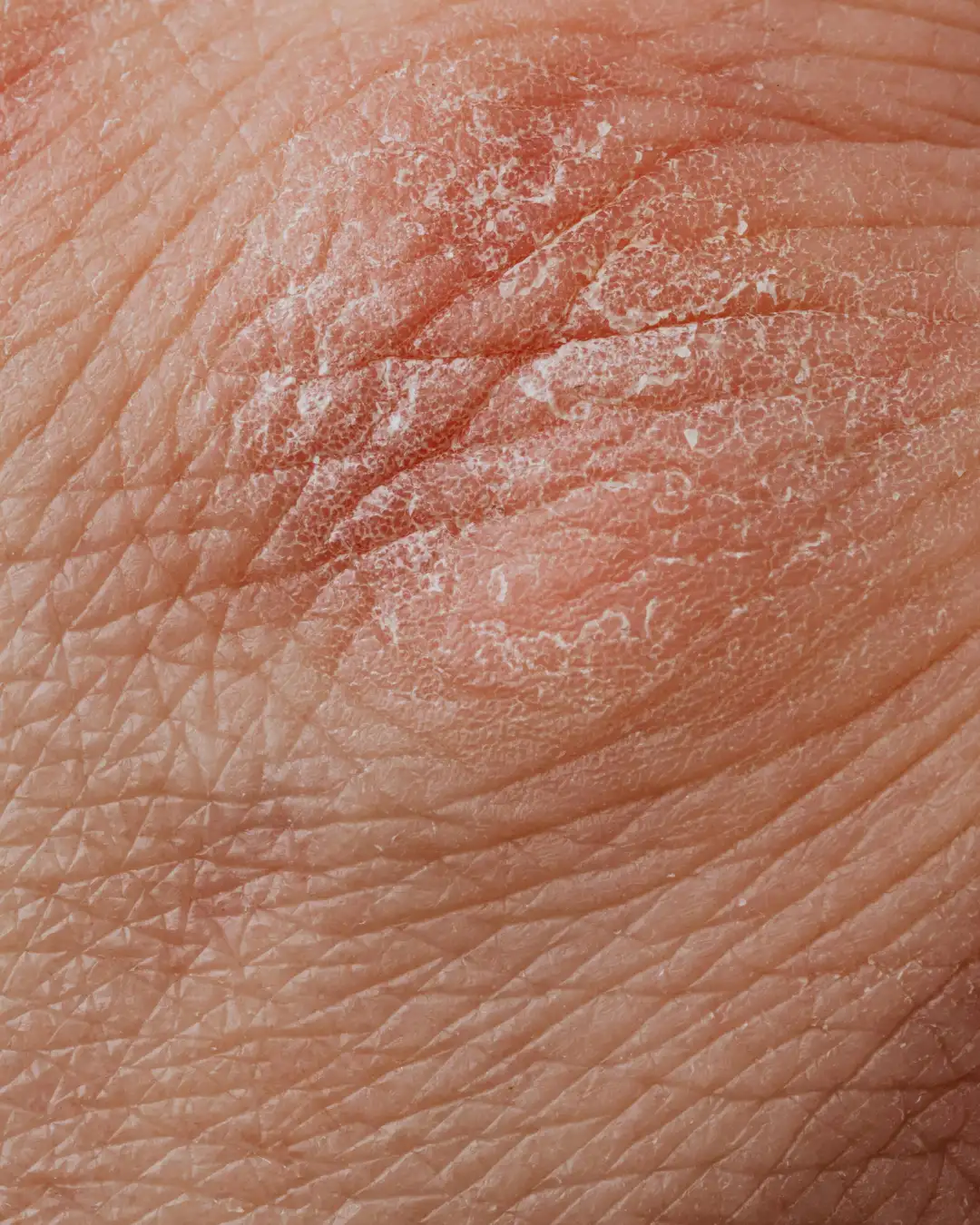
Eczema Treatment
Eczema Treatment Treatment
Eczema Treatment Treatment Statistics and Key Information
- Patient Satisfaction Rate
- 95%
- Average Treatment Cost
- See provider pricing
- Number of Reviews
- 11705
- Treatment Downtime Duration
- Varies by treatment
- Number of Available Practitioners
- 330
Overview
Eczema treatment is basically about calming the inflammation, repairing that leaky skin barrier and preventing future flare-ups. You use moisturisers (emollients) to hydrate and protect the skin, and anti-inflammatory meds like topical corticosteroids or non-steroidal options to reduce itch, redness and swelling. In tougher cases, systemic meds, light therapy or biologic injections can be used to modulate the immune system that’s driving the inflammation. There’s no single cure, it’s about managing symptoms and triggers.
Goals of Eczema Treatment treatment
- Reduce itchiness, redness and discomfort so you’re not constantly irritated or losing sleep.
- Restore and protect the skin barrier using emollients so it holds moisture and keeps irritants out.
- Minimise frequency and severity of flare-ups over time.
- Prevent complications like infection, skin thickening from scratching, or impact on quality of life.
Treatment Options
Pros
- Emollients and topical meds can significantly reduce symptoms and improve comfort.
- A stepped treatment strategy lets you use milder options first and ramp up only if needed.
- Specialist treatments like phototherapy or biologics help when everyday creams aren’t enough.
- Avoiding irritants and understanding triggers gives you real agency over flare-ups.
Cons
- There’s no cure, so it’s mostly about ongoing management and flare control.
- Topical steroids need careful use; long-term or improper use can cause thinning.
- Some advanced treatments like systemic meds require monitoring (e.g., blood work).
- Severe cases often need frequent appointments and active follow-up.
Candidate & Preparation
Who is a Good Candidate
- Anyone experiencing persistent dryness, itching, redness or flaking that disrupts life.
- People whose symptoms don’t improve with basic skincare.
- Those with frequent flares, signs of infection, or sleep disturbance due to itch.
- Individuals with moderate to severe disease may benefit from specialist input.
Appointments & Safety
Pain Considerations
Most eczema treatments aren’t painful. Topical creams may sting briefly, especially if skin is raw, but there’s generally no significant pain.
Safety Considerations
- Topical steroids are safe when used per guidance, but long-term high potency use can thin skin.
- Systemic meds require monitoring for side effects.
- Phototherapy has potential risks like tanning or burns and usually needs supervision.
Cost & Access
Typical Prices
On the NHS, eczema treatment is free at point of care. Private dermatology appointments in the UK often cost roughly GBP 240-GBP 300 for an initial consultation, with London clinics sometimes charging GBP 300-GBP 500. Some private plans include treatment bundles; others charge separately for follow-ups and meds.
Why Prices Vary
- Location, like London versus regional clinics, can change pricing.
- Clinic reputation and dermatologist experience affect cost.
- Complexity of the case, need for tests, and type of treatments required.
- Whether packages or follow-up care are bundled or priced separately.
Results & Maintenance
How Long Results Last
Results vary. If you follow your regimen, itch and redness can improve quickly, but eczema can flare again. Long-term control often means regular emollient use and adjusting meds over time.
Maintenance Requirements
Many people with chronic eczema have regular follow-ups and adjust their routine over time. There’s no fixed schedule, but regular skin checks and flare-management plans help long-term.
Regulation & Guidelines
NICE Guidelines
NICE has detailed clinical guidelines on diagnosing and managing atopic eczema, including stepped care, emollients and when to refer to specialists.
FDA Guidelines
In the US context, topical and systemic therapies are approved by the FDA for eczema management. (Regulatory context)
MHRA Guidelines
In the UK, eczema medications are regulated by the MHRA, and safety alerts or issues can be reported via the Yellow Card Scheme. (UK context)