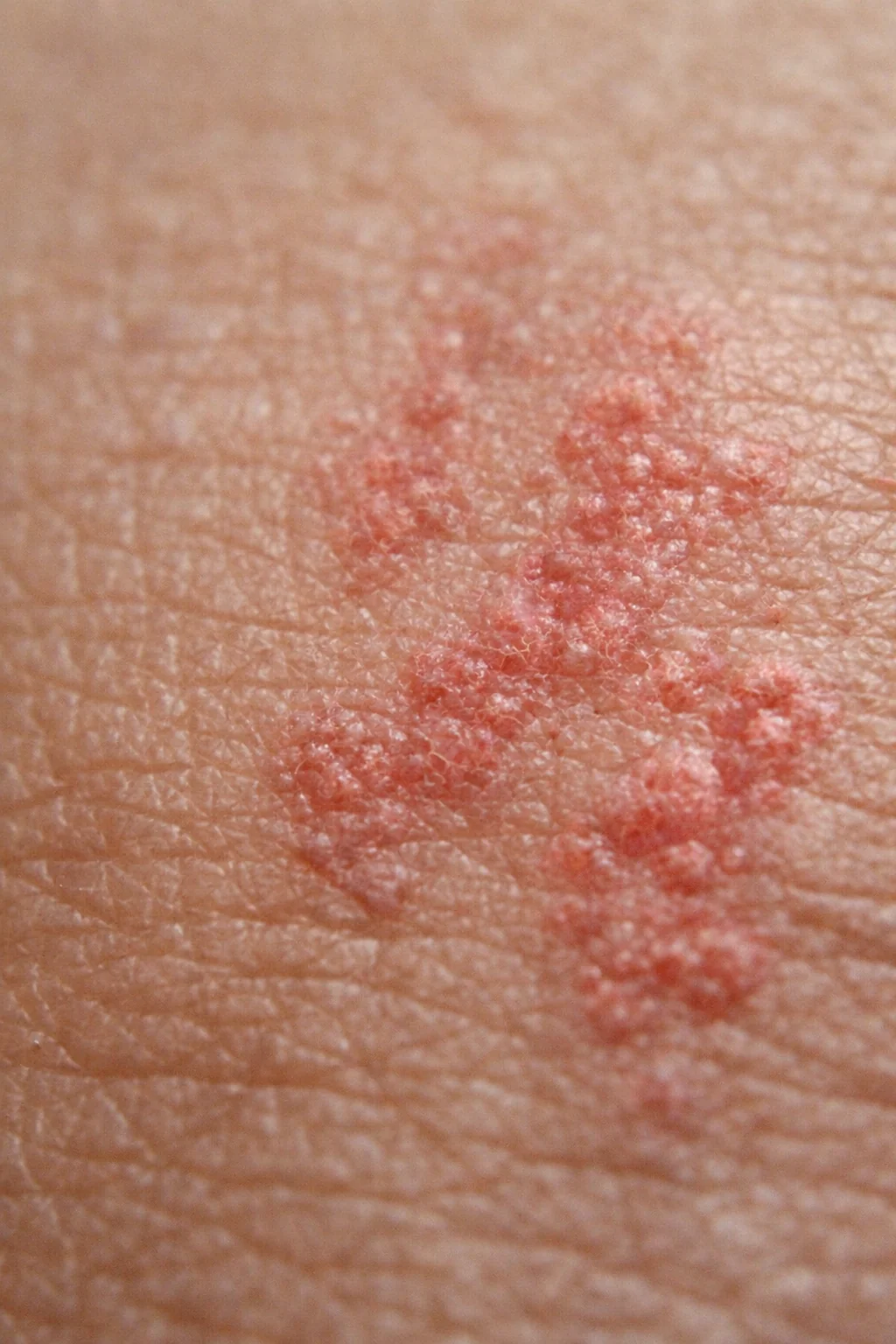
Contact Dermatitis
Contact Dermatitis Treatment
Contact Dermatitis Treatment Statistics and Key Information
- Patient Satisfaction Rate
- 95%
- Average Treatment Cost
- See provider pricing
- Number of Reviews
- 11615
- Treatment Downtime Duration
- Varies by treatment
- Number of Available Practitioners
- 325
Overview
Contact Dermatitis is a treatment that helps address various skin and aesthetic concerns.
Goals of Contact Dermatitis treatment
- Identify and remove the trigger
- Calm the active inflammation
- Repair and protect the skin barrier
- Prevent chronic flares and thickened skin
- Reduce itch, sleep disruption, and daily discomfort
Treatment Options
- Moisturisers help but won’t fix an ongoing allergen exposure
- Natural products can still trigger allergic dermatitis
- Steroid creams treat inflammation, not the root cause
- Avoidance plus medical treatment works better than either alone
Pros
- Often reversible once the trigger is identified
- Clear management plans exist
- Patch testing can be very effective for allergic causes
- Doesn’t usually cause permanent damage if managed early
Cons
- Triggers can be hard to identify
- Avoidance can be inconvenient or lifestyle-changing
- Chronic exposure leads to recurring flares
- Can overlap with eczema, making diagnosis messy
Candidate & Preparation
Who is a Good Candidate
- Anyone with a persistent or recurrent rash in exposed areas
- People with hand eczema or facial rashes
- Those whose rash worsens at work or with specific products
- Patients not responding to standard eczema treatment
Appointments & Safety
What Happens During Appointment
History is key. You’ll talk exposures, timing, work, hobbies. Skin is examined. Patch testing may be planned. Appointments usually take 15 to 30 minutes. Patch testing involves multiple visits over a week.
Pain Considerations
The condition itself can be itchy, sore, or burning. Consultations aren’t painful. Patch testing can be itchy but not dangerous.
Safety Considerations
Topical steroids are safe when used correctly. Problems usually come from overuse, underuse, or unclear instructions.
Cost & Access
Typical Prices
On the NHS, diagnosis and treatment are usually covered. Privately, consultations range from GBP 150 to GBP 300. Patch testing privately can cost GBP 500 to GBP 1,200 depending on the panel size.
Results & Maintenance
How Long Results Last
If the trigger is avoided, skin can settle in weeks and stay clear long-term. If exposure continues, flares keep coming back. This condition rewards detective work.
Maintenance Requirements
Often yes. Maintenance usually means ongoing avoidance, regular moisturising, and occasional short courses of topical treatment during flares. There’s no fixed schedule.
Regulation & Guidelines
NICE Guidelines
NICE guidance covers eczema and occupational dermatitis management.
FDA Guidelines
In the US, FDA regulates treatments but diagnosis principles are similar.
MHRA Guidelines
Regulates topical steroids, emollients, and prescription treatments.
What to Do If Something Goes Wrong
- Diagnosis and treatment follow NHS and dermatology guidelines
- Prescription treatments are MHRA-regulated
- If symptoms worsen or treatment causes harm, seek medical review
- Adverse drug reactions can be reported via the MHRA Yellow Card scheme