Scarring
Cost varies by clinicAverage Cost
95%Satisfaction
1783Practitioners
92941Google Reviews
Varies by treatmentDowntime
Scarring Treatment
Scarring Treatment Statistics and Key Information
- Patient Satisfaction Rate
- 95%
- Average Treatment Cost
- See provider pricing
- Number of Reviews
- 92941
- Treatment Downtime Duration
- Varies by treatment
- Number of Available Practitioners
- 1783
Patient Satisfaction
Average Cost
Reviews
Downtime
Practitioners
Overview
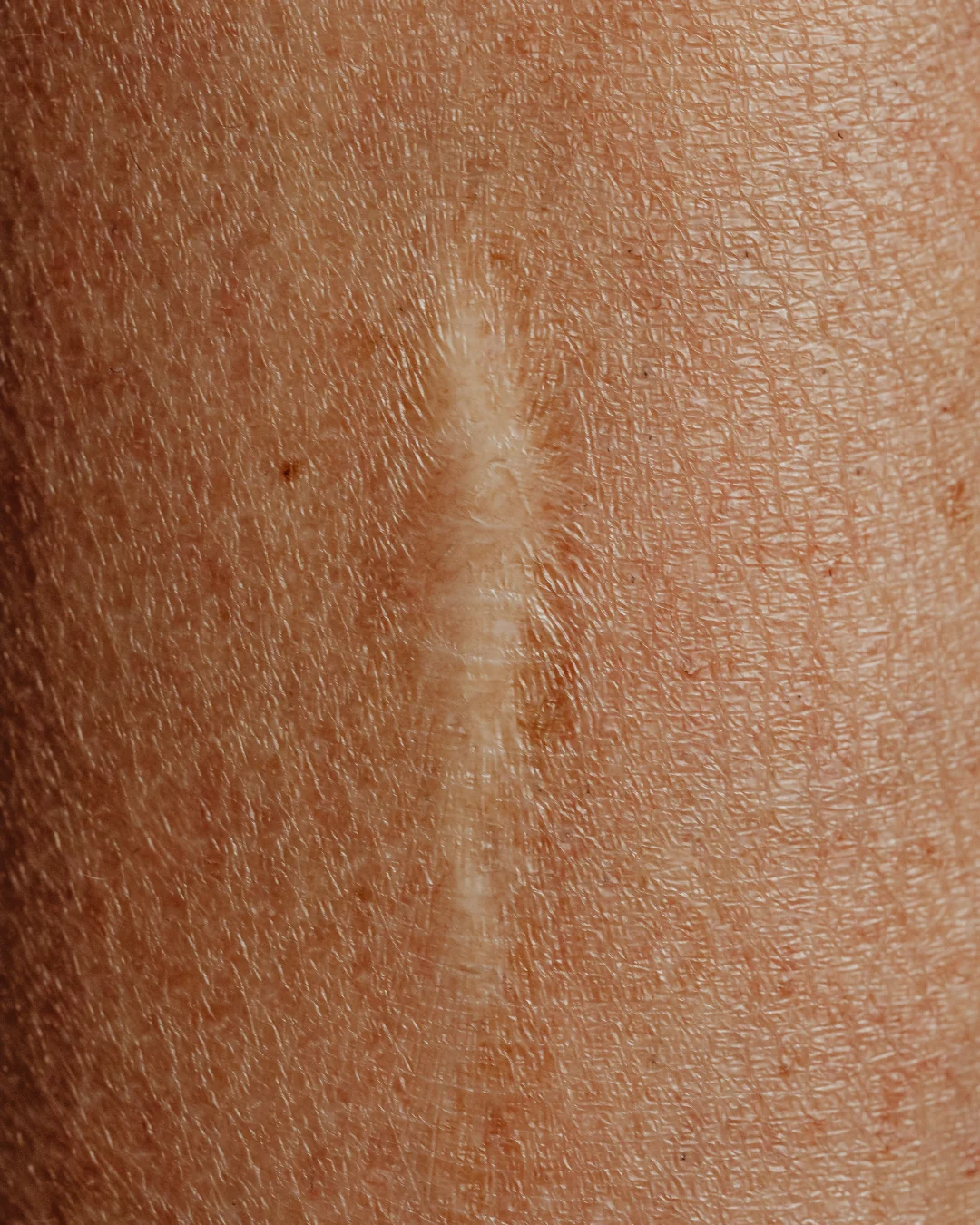
Scarring is what happens when your skin heals after an injury or trauma. When your skin gets damaged, your body rushes in white blood cells to clean up, then produces collagen to patch the area. But the collagen fibres don’t lay down in that neat, random basket weave we see in normal skin. Instead they align in one direction, forming fibrous scar tissue. That patch repairs the wound but often looks or feels different from the surrounding skin. Some scars are flat, some raised, some sunken, some red, some white. It’s just the way the body heals itself but it leaves a mark.
Goals of Scarring treatment
- In medical or cosmetic scar treatment it’s about reducing how obvious a scar is
- Improve colour, texture, thickness or shape of the scar tissue
- Restore a more normal appearance to the skin surface
- Sometimes relieve itching, tightness, or movement restriction if the scar affects function
- Help with psychosocial comfort by making scars less noticeable.
Treatment Options
- Non-invasive options like silicone gel sheeting and dressings are low-risk first steps, often recommended universally for hypertrophic or keloid scars.
- Injectables like steroid injections help flatten raised scars but can cause skin thinning in some cases
- Laser and resurfacing treat texture and pigmentation but often need multiple sessions
- Surgery (scar revision) is more aggressive but is reserved for complex scars and may still leave a smaller, cleaner scar.