Botulinum toxin requires prescription by GMC/NMC/GPhC registered prescriber
Dermal fillers currently non-prescription but subject to evolving UK licensing framework
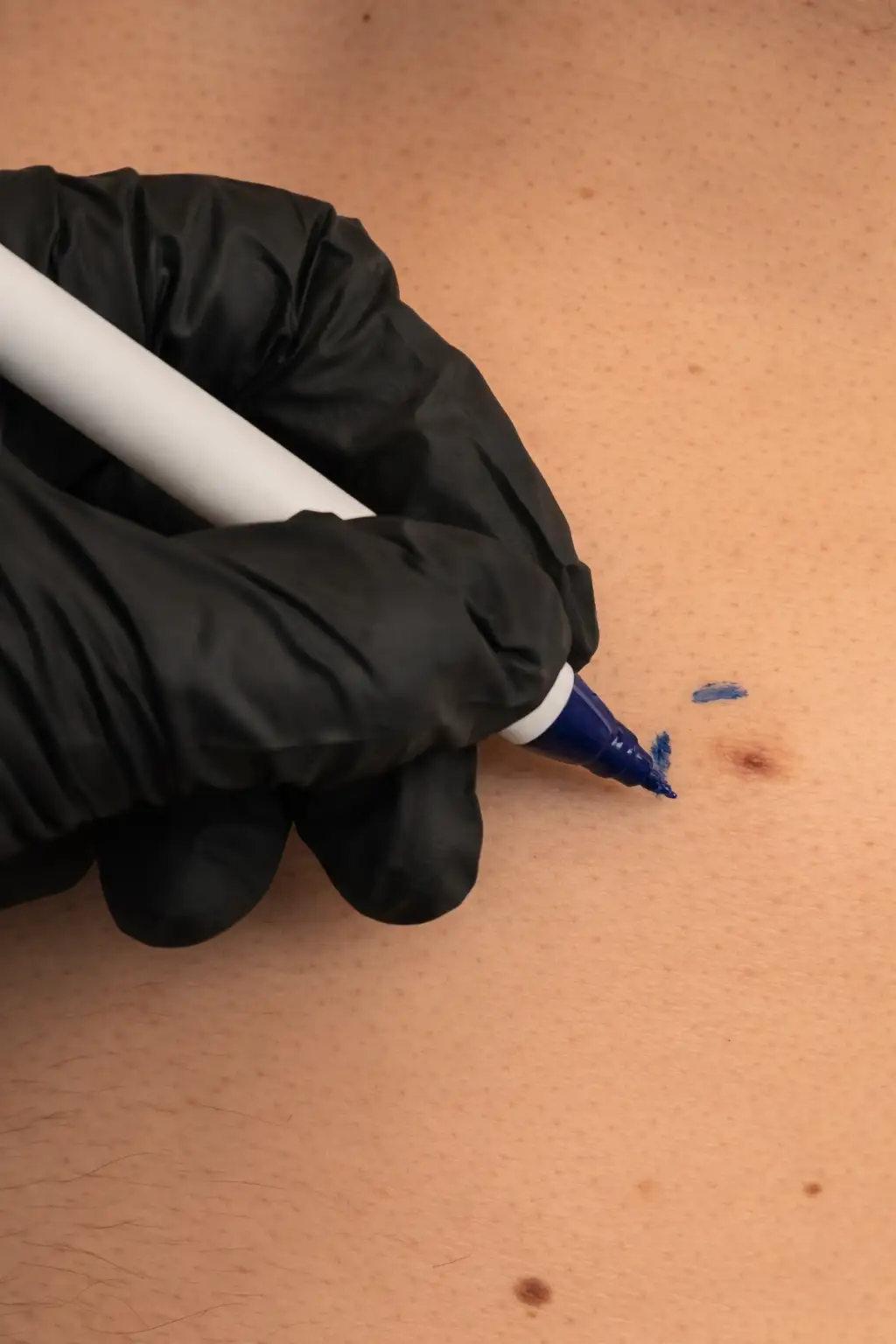
Skin cancer and mole procedures require regulated clinical setting
CQC registration mandatory for regulated activities
Inspection Framework:
CQC inspection for private GP and regulated medical providers
NHS GP training practices subject to NHS England oversight
Clinician revalidation via GMC/NMC
FCA compliance where finance options advertised
Insurance & Financing
Private Insurance Usage:
Relevant for private dermatology and GP consultations
Cosmetic injectables self-funded
Cosmetic Finance Availability:
Selective availability
Some clinics may offer staged payment or third-party finance subject to FCA compliance
Seasonality & Local Trends
Peak Booking Periods:
Pre-summer (April–June)Pre-Christmas (October–December)January renewal period
Social Media Trends:
Polynucleotide and Profhilo treatmentsLaser and IPL before-and-after imageryDoctor-led skin cancer screening messagingAward and credential highlighting
Referral Networks & Teaching Hospital Links
Referral pathways to Surrey and London teaching hospitals
Accessibility & Location Factors
Public Transport Proximity:
Strong rail links to London Waterloo
M25 and A3 motorway connectivity
Parking Availability:
Suburban clinic settings with accessible on-site or nearby parking
City Centre vs Suburban Distribution:
Predominantly suburban high street and medical centre-based practices
Medical Tourism Potential
Tourism Volume Indicator:
Low dedicated tourism
Commuter-belt driven demand
Hotel Density Near Clinics:
Limited compared to central London
Boutique local hotels present
Airport Proximity:
Approximately 25–35 minutes to Heathrow Airport
45–60 minutes to Gatwick
Overall Medical Tourism Viability:
Primarily regional commuter demand
Moderate potential for short-stay cosmetic visitors due to airport proximity