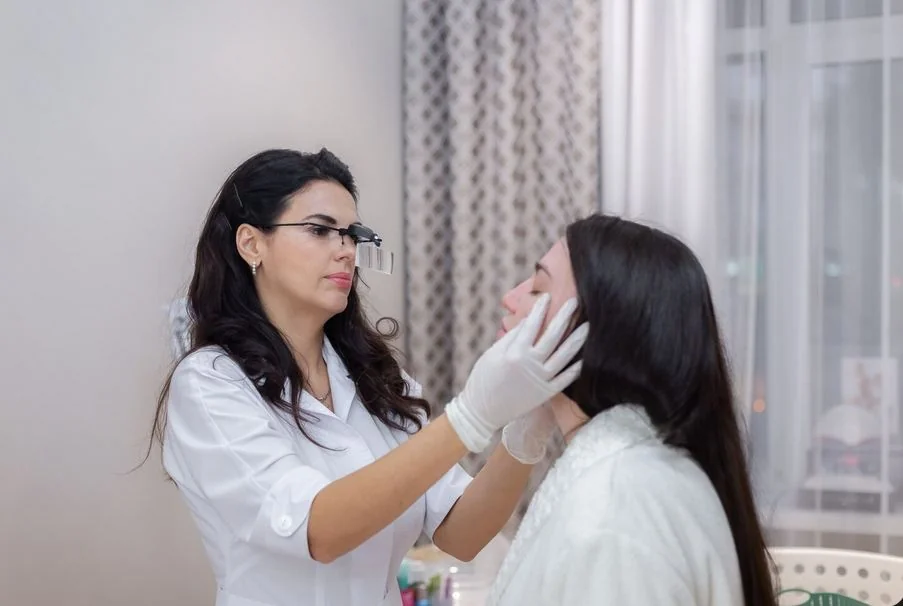
Top Aesthetic Practitioners in Houghton

About Houghton

Population:

    • Approximately 36,000 (Houghton-le-Spring town)
    • ~513,000 (City of Sunderland local authority)

Lifestyle Characteristics:

    • Post-industrial North East town
    • Community-oriented
    • Price-sensitive consumer base
    • Moderate car dependency
    • Traditional high street economy with local independent services

Medical Infrastructure:

    • NHS GP practices including CQC-registered surgery (rated Good)
    • Part of Durham East Primary Care Network
    • Proximity to Sunderland Royal Hospital and South Tyneside and Sunderland NHS Foundation Trust facilities

Market Size

Number of Clinics:

2

Total Reviews:

79

Average Citywide Rating:

3.9
Early-stage aesthetic market with narrow treatment range (tattoo removal, consultation-based services)

Treatments

Regulatory & Compliance Environment

Primary Regulator:

Care Quality Commission (CQC)

Prescribing Requirements:

Prescription-only medicines (e.g., botulinum toxin) require authorised prescriber oversight (doctor, dentist, nurse/pharmacist independent prescriber)

Inspection Framework:

  • CQC inspection for regulated medical activities
  • GP practice rated Good
  • Body piercing premises subject to local authority environmental health registration and licensing

Insurance & Financing

Private Insurance Usage:

  • Minimal for aesthetic treatments
  • NHS used for core medical services

Cosmetic Finance Availability:

  • Limited evidence of structured cosmetic finance penetration locally
  • Likely pay-per-session model

Seasonality & Local Trends

Peak Booking Periods:

Pre-summer (April-June) for tattoo removal visibilityPost-holiday period (January-February) for aesthetic consultations

Social Media Trends:

Tattoo removal progress sessionsPiercing showcasesBasic skin consultation education content

Referral Networks & Teaching Hospital Links

  • Linked regionally to South Tyneside and Sunderland NHS Foundation Trust
  • Access to tertiary care in Newcastle upon Tyne

Accessibility & Location Factors

Public Transport Proximity:

  • Served by local bus networks
  • Nearest rail access via Sunderland and Durham stations

Parking Availability:

  • On-street and small retail car parks common
  • High reliance on personal vehicles

City Centre vs Suburban Distribution:

Providers likely located within town centre retail or converted premises rather than medical park clusters

Medical Tourism Potential

Tourism Volume Indicator:

  • Low tourism volume
  • Primarily residential service economy

Hotel Density Near Clinics:

  • Limited hotel infrastructure within town
  • Greater density in Sunderland and Durham

Airport Proximity:

Approximately 30-40 minutes by road to Newcastle International Airport

Overall Medical Tourism Viability:

  • Low viability for destination aesthetics
  • Market primarily local catchment-driven