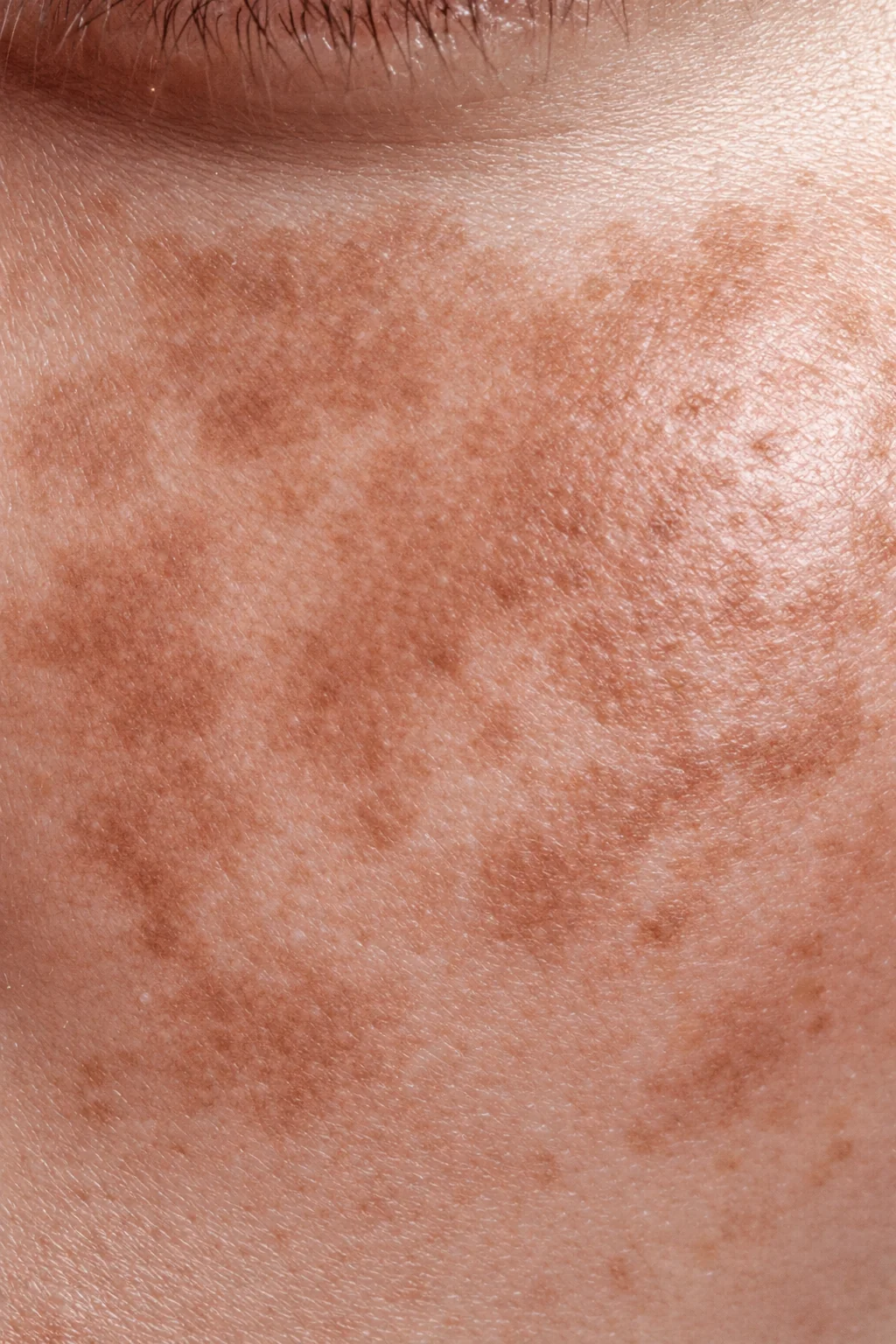
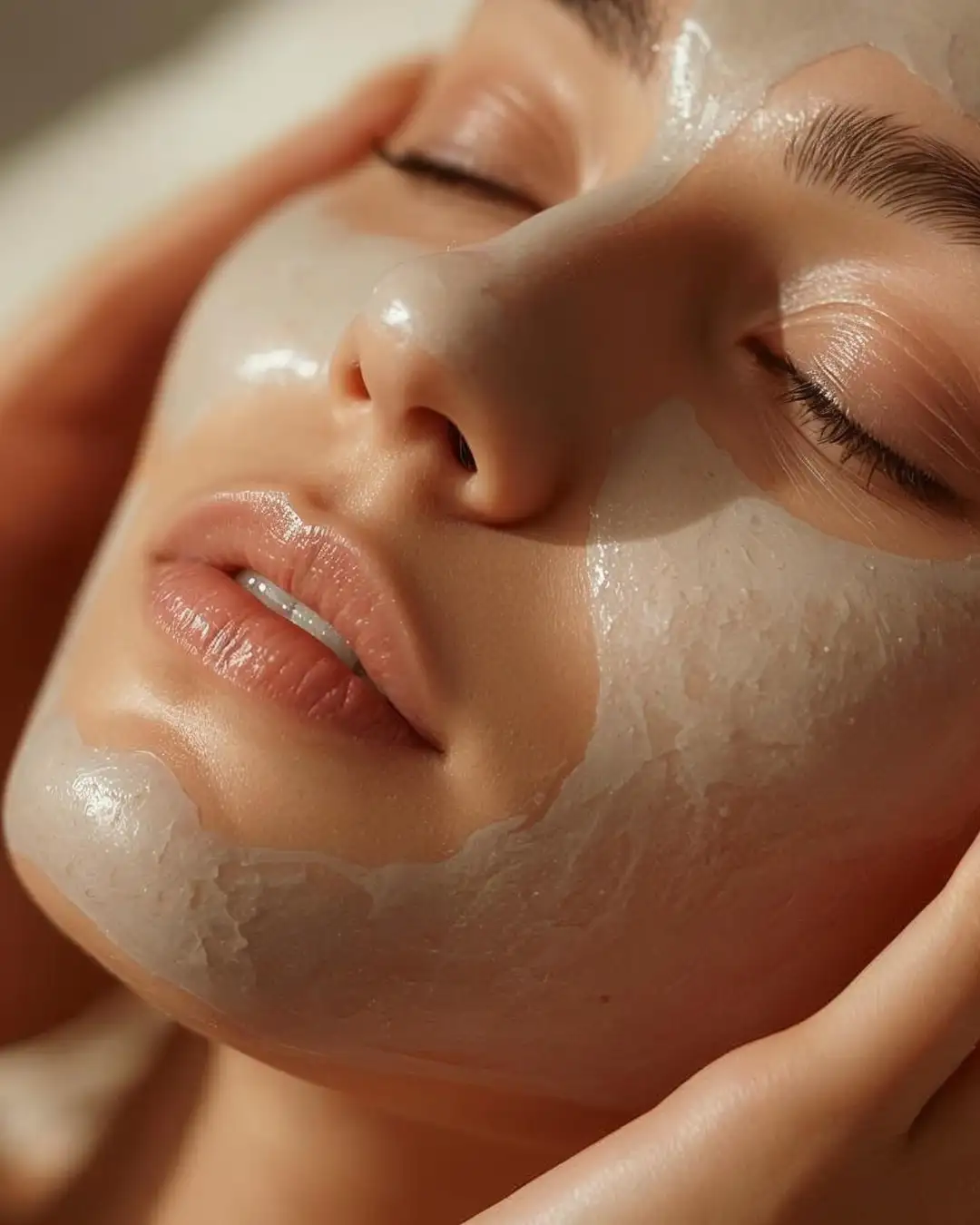
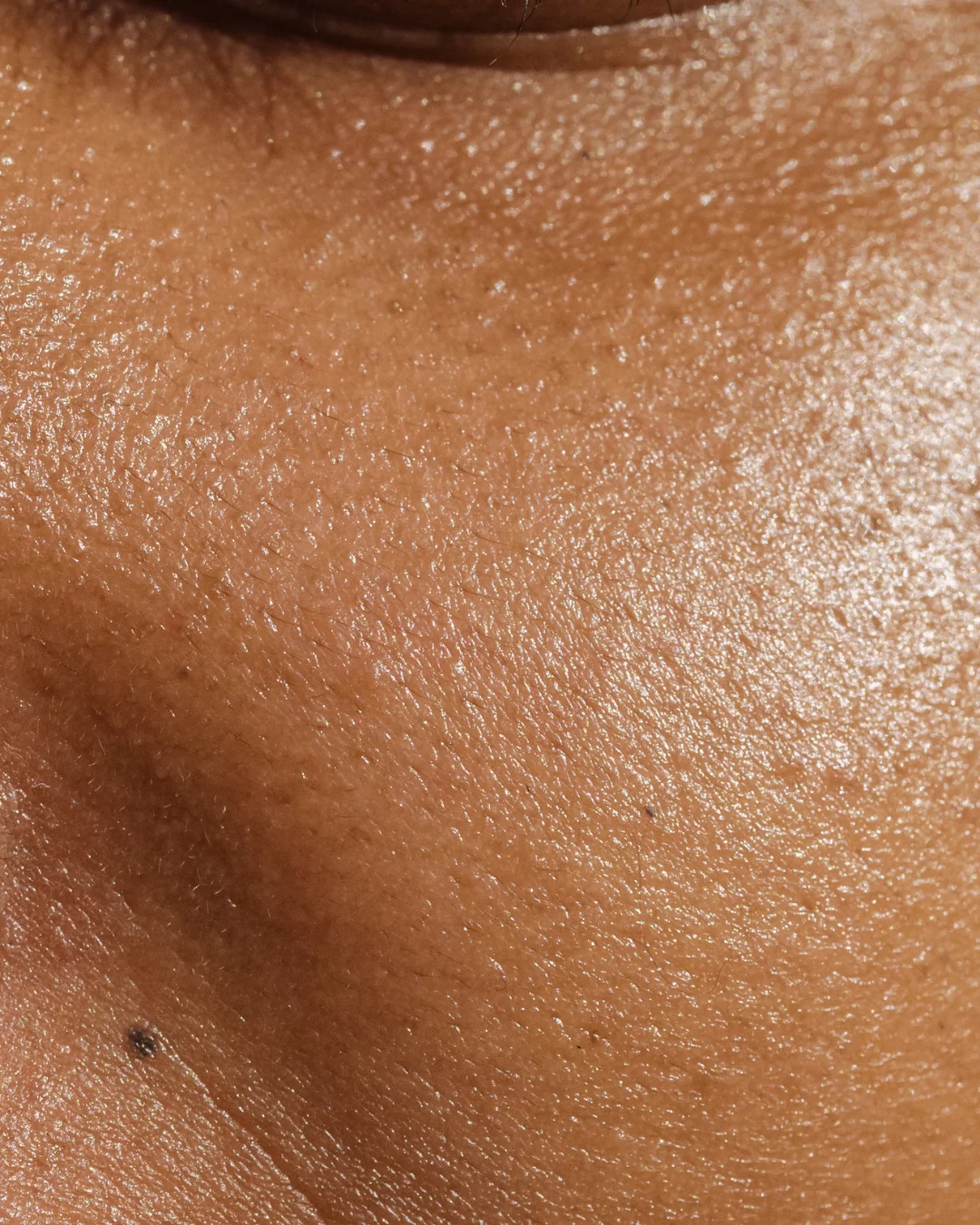
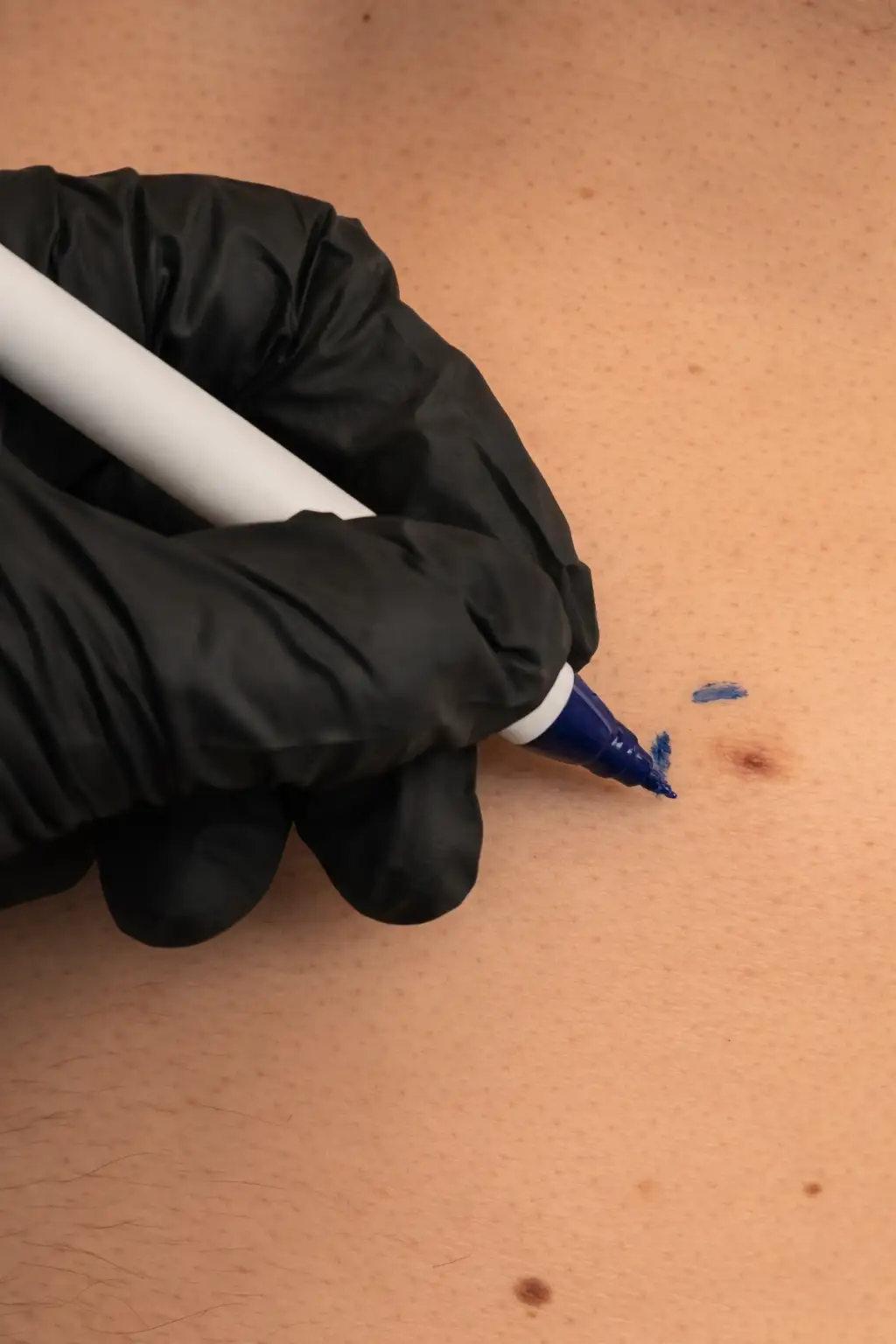
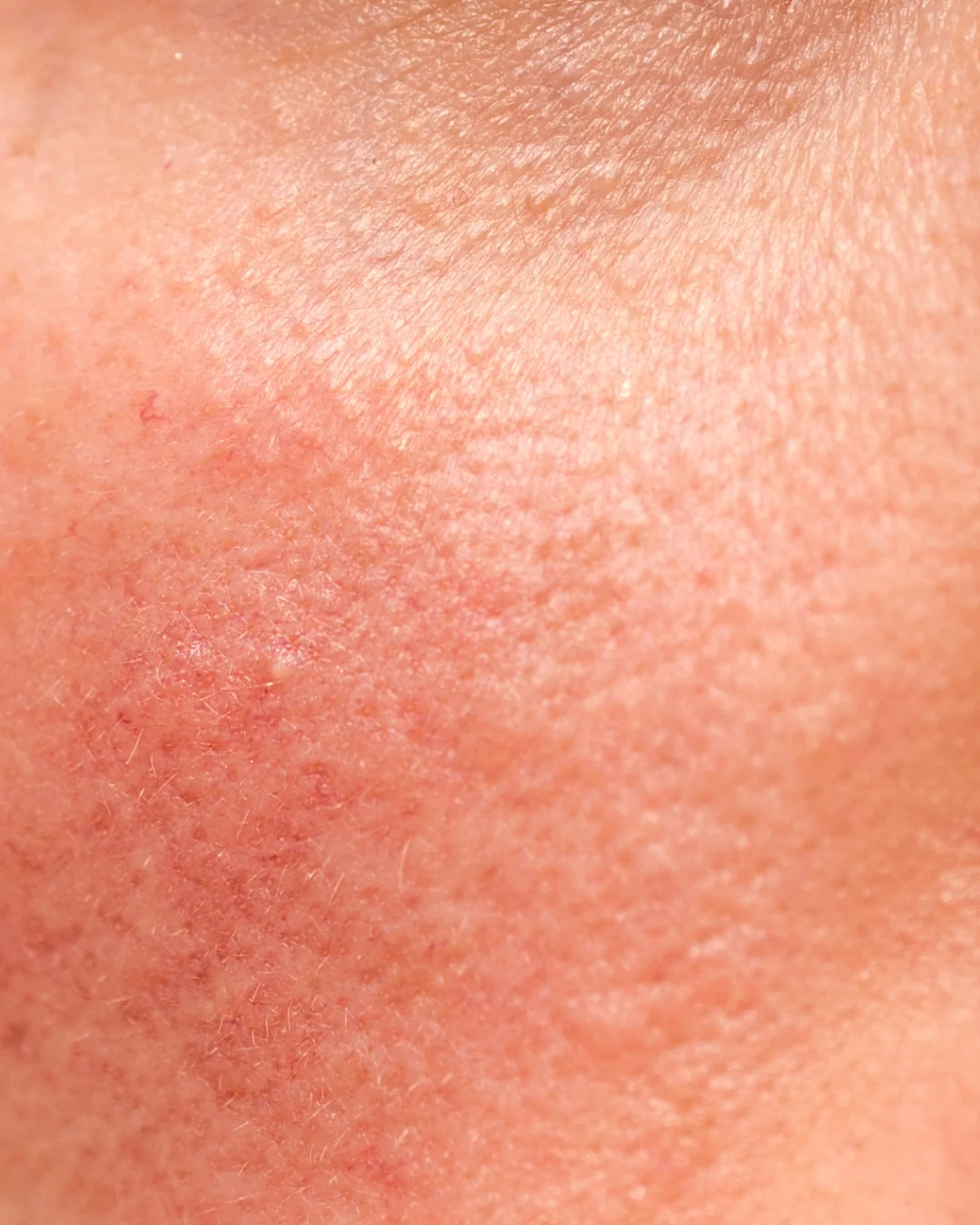
Melasma treatment means doing things to reduce or manage the brown or grey patches on your skin that come from extra melanin being produced in certain spots. Dermatologists usually start with topical creams that lighten pigment by lowering melanin production or increasing skin turnover. In tougher cases, they layer in chemical peels that exfoliate and help shed pigmented cells, or laser and light devices that target pigment more deeply. Some practitioners may also use oral agents like tranexamic acid in selected cases. Sun protection underpins all of this because UV exposure will worsen melasma.
Our dataset currently has 18 clinic(s), with approximately 998 reviews and an average rating of 4.541176471.
Medical Infrastructure:
- Major tertiary teaching hospital campus at Foresterhill (Aberdeen Royal Infirmary)
- NHS Grampian headquarters
- University of Aberdeen medical school
- Established private clinics and specialist dermatology services
Local Aethetics Market:
- Advanced and diversified
- Includes tertiary dermatology, injectables, lasers, hair restoration and spa services
- Avoid sun exposure and get strict about sunscreen days or weeks before sessions.
- Discuss all your skincare products and hormones with the clinician, since these can affect melasma.
- Be ready to stop tanning or strong exfoliants before treatment to reduce irritation risk.
Yes. Treatments like peels or lasers often come in a series of sessions spaced weeks apart.
Topical agents like hydroquinone can irritate or rarely cause ochronosis if overused.Peels and lasers should be done by experienced clinicians because they can worsen pigmentation or cause scarring.Lasers for melasma need the right wavelength and settings, especially on darker skin tones.
Many treatments have minimal pain. Peels might sting, and some lasers feel like heat or prickles but are usually tolerable.
- Dermatologist or medically trained clinician with specific expertise in pigment disorders.
- Experience with chemical peels and laser devices, and understanding of complications.
- Familiarity with diverse skin types because melasma behaves differently in darker skin.
There aren�t NICE guidelines specifically just for melasma like a disease page, but NICE does cover dermatology best practice and MHRA regulates the devices used. Prescription creams and lasers should be used under medically governed practices following those standards.
Local regulatory authority:
- Healthcare Improvement Scotland (HIS) for independent healthcare services
- General Medical Council (GMC) for doctors
- Nursing and Midwifery Council (NMC) for nurse prescribers
Private insurance usage locally:
- Moderate-to-high for medical dermatology and skin cancer services
- Low for purely cosmetic injectables
Cosmetic finance availability:
- Present in larger clinics
- Some providers offer staged payment or third-party finance options
- Dermatologist or medically trained clinician with specific expertise in pigment disorders.
- Experience with chemical peels and laser devices, and understanding of complications.
- Familiarity with diverse skin types because melasma behaves differently in darker skin.
- A dermatologist or skin specialist with experience in pigment disorders, not just someone offering beauty lasers.
- Clear explanation of risks and realistic expectations of results.
- Evidence they tailor plans to skin type, especially for darker Fitzpatrick skin where risks differ.
- Good reviews or recommendations from patients with similar concerns.
Current average rating citywide: 4.541176471