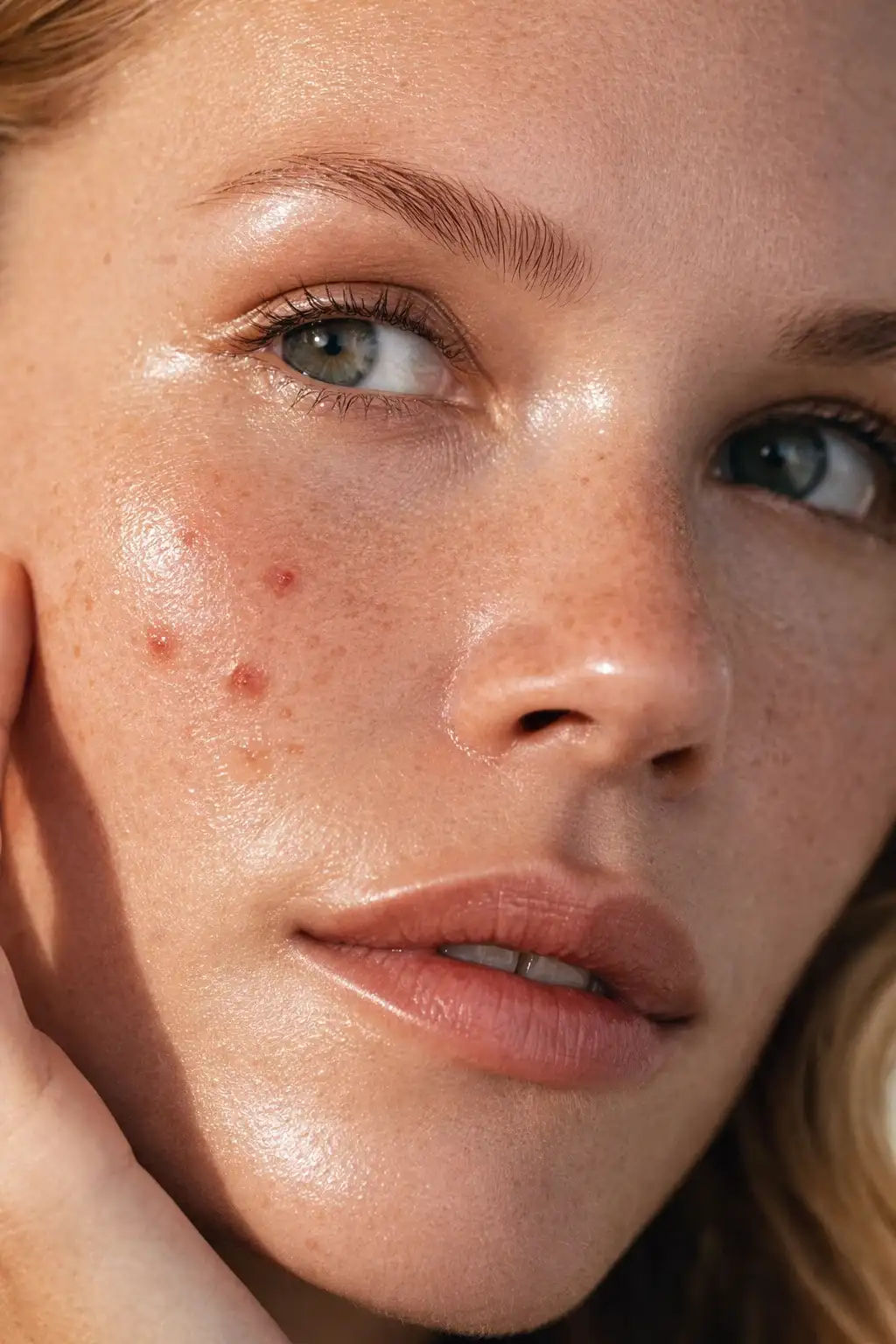
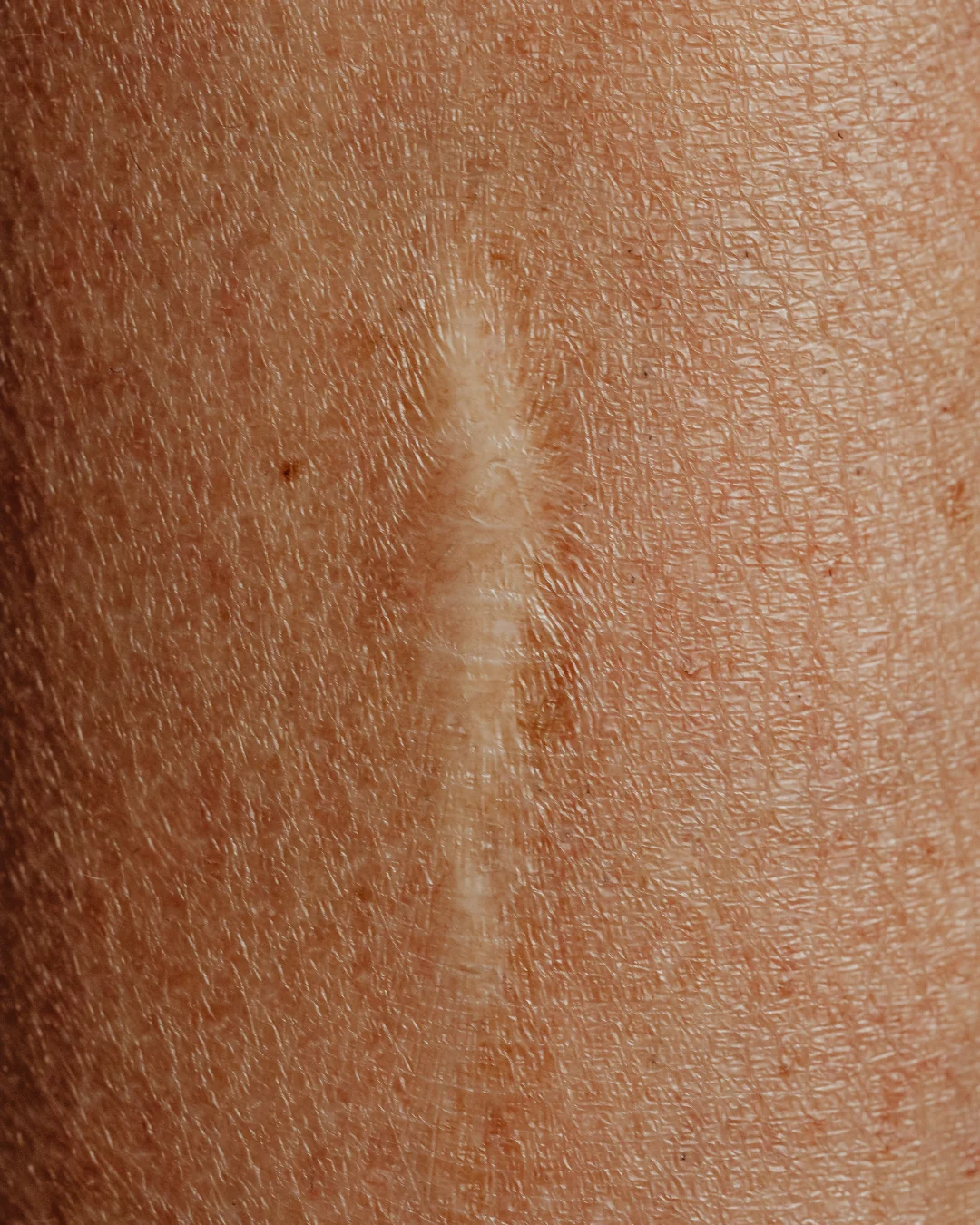
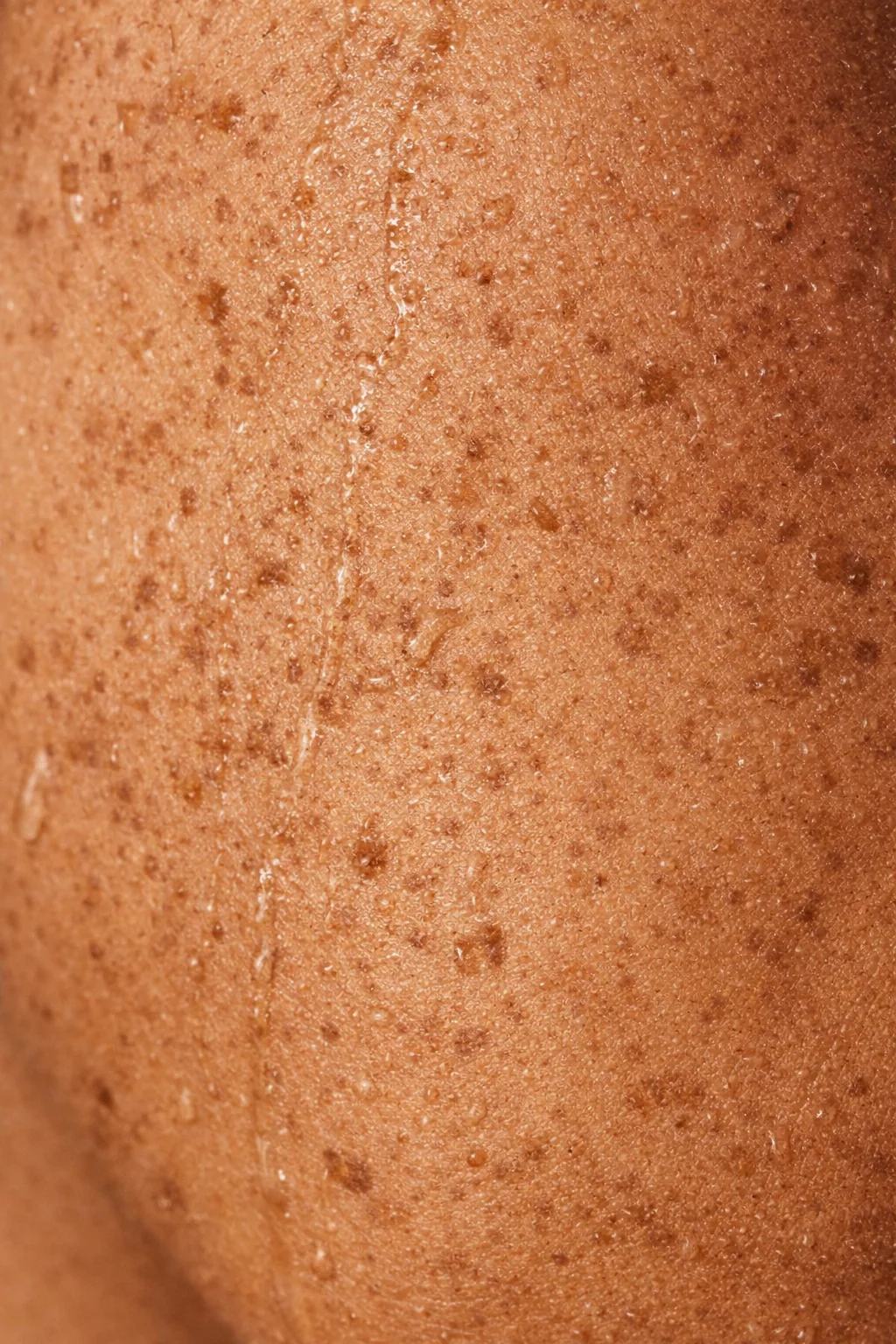
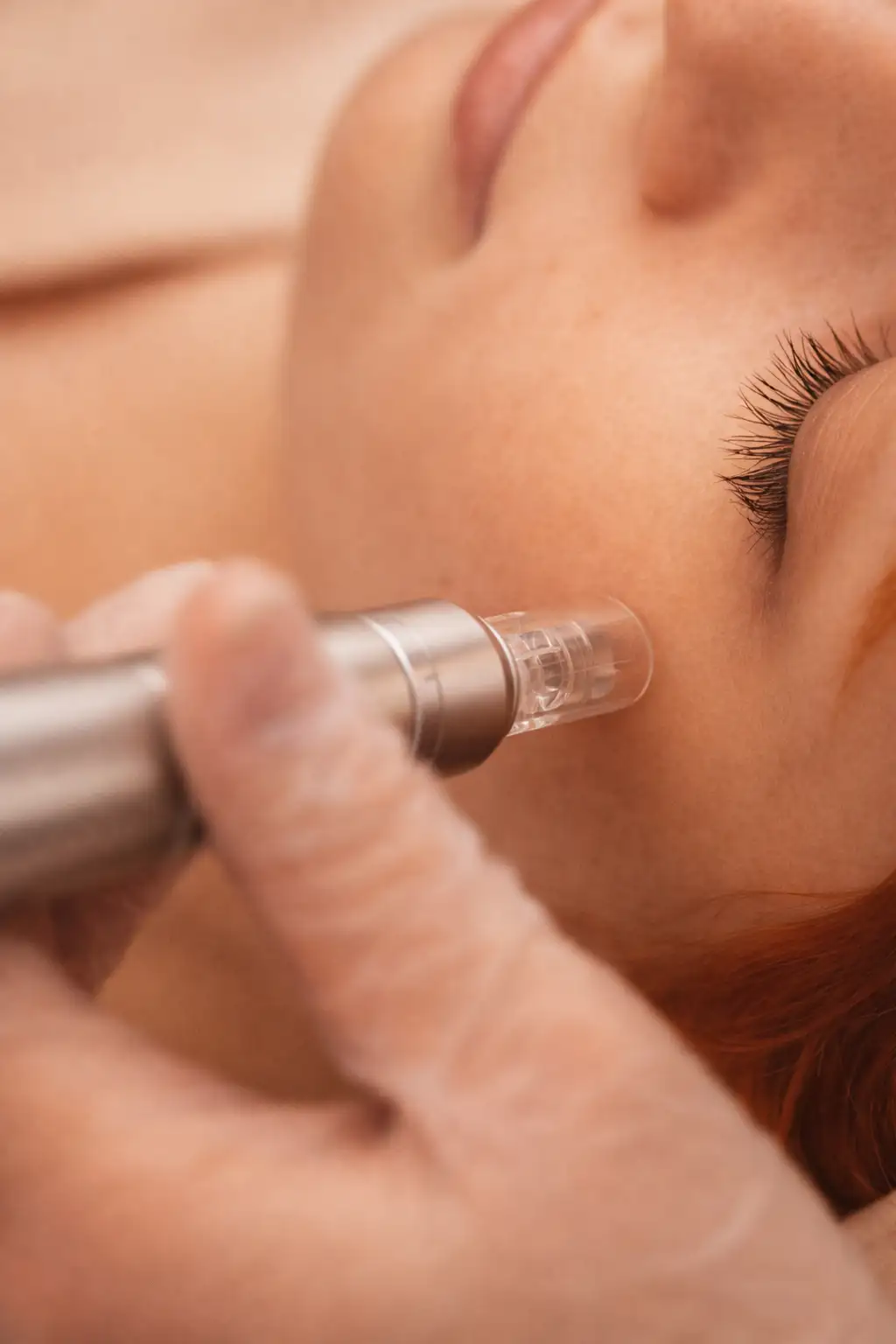
Scarring is what happens when your skin heals after an injury or trauma. When your skin gets damaged, your body rushes in white blood cells to clean up, then produces collagen to patch the area. But the collagen fibres don�t lay down in that neat, random basket weave we see in normal skin. Instead they align in one direction, forming fibrous scar tissue. That patch repairs the wound but often looks or feels different from the surrounding skin. Some scars are flat, some raised, some sunken, some red, some white. It�s just the way the body heals itself but it leaves a mark.
Our dataset currently has 5 clinic(s), with approximately 11 reviews and an average rating of 4.46.
Medical Infrastructure:
- Prince Charles Hospital (Merthyr Tydfil) within regional catchment
- NHS GP network under Cwm Taf Morgannwg University Health Board
- Primary care presence within town
Local Aethetics Market:
- Emerging-to-moderate maturity
- Established injectables market but limited advanced aesthetic infrastructure
- Let wounds heal fully before starting treatments
- Follow clinician advice on skin care and sun protection
- Avoid tobacco, poor nutrition that may slow healing
- Discuss medications that affect bleeding or healing before surgical options
Many treatments (like laser or injections) may need multiple sessions spaced weeks apart and occasional follow-ups depending on scar response.
Non-invasive options like silicone sheets are painlessInjections and lasers may cause discomfort or mild pain requiring numbingSurgical scar revision carries surgical risks such as infection, bleeding, and recurrenceFollow aftercare instructions closely to minimise risks
Depends on method. Topical and silicone are painless; injections and lasers have varying discomfort; surgery uses anaesthesia but recovery can be sore.
There are specific NHS clinical policies about timing and indications for scar revision; NICE guidance focuses on surgical site infection but not detailed cosmetic scar guidelines; international evidence-based scar management recommendations exist.
Local regulatory authority:
- Healthcare Inspectorate Wales (HIW) for regulated independent healthcare services
- General Medical Council (GMC) oversight for doctors
Private insurance usage locally:
- Very low for cosmetic injectables
- Predominantly self-funded treatments
Cosmetic finance availability:
- Limited
- Likely informal payment plans rather than regulated medical finance providers
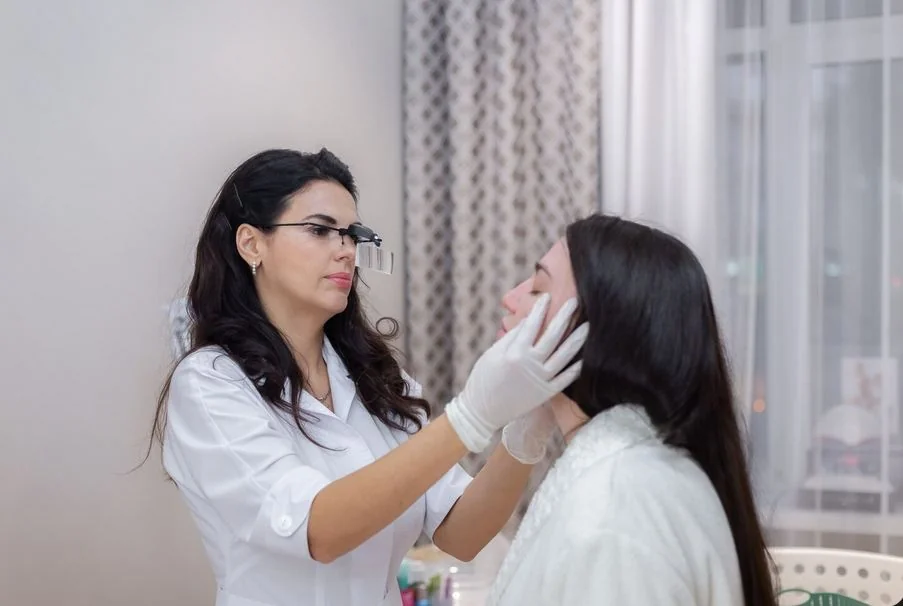
- A qualified dermatologist or plastic surgeon with scar management experience
- Membership in UK professional bodies (British Association of Dermatologists etc)
- Before/after photos of similar scars they�ve treated
- Clear discussion of realistic outcomes, risks, and costs
- Good aftercare support and honest consent process
Current average rating citywide: 4.46